




















Dark Ambient Music for Overthinking, Anxiety, and Nighttime Calm
Some nights do not end when the day ends.
The room is quiet, the lights are low, and yet the mind keeps moving. Thoughts repeat themselves. Tension lingers in the body. Screens may be off, but the nervous system still feels switched on. For many people, this is the real problem with nighttime restlessness: it is not always noise outside of us, but noise within us.
That is where dark ambient music can help.
Not because it “fixes” anxiety or replaces care, but because it can create the kind of atmosphere that makes it easier to exhale, soften mental noise, and move from overstimulation into a quieter state. Unlike bright focus music or overly cheerful sleep playlists, dark ambient music often feels more honest. It makes space for complexity. It does not demand that you feel happy. It simply gives your thoughts somewhere softer to land.
For people who experience overthinking, emotional overload, creative fatigue, or difficulty winding down at night, dark ambient music can become part of a personal ritual of decompression.
In this guide, we will look at what dark ambient music is, why it can help with overthinking and anxiety, when to use it, what kinds of tracks work best, and how to create a nighttime listening ritual that feels calming rather than performative.
What Is Dark Ambient Music?
Dark ambient music is a slow, atmospheric style of sound built around mood, texture, space, and emotional depth. Instead of focusing on catchy melodies or lyrics, it creates an environment. It often uses drones, soft pulses, distant textures, reverb, minimal rhythmic motion, and shadowed tonal layers to shape a feeling rather than tell a direct story.
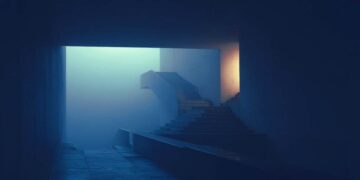
The word dark can sound intense at first, but in this context it does not always mean frightening or aggressive. Very often, it means spacious, introspective, quiet, nocturnal, eerie, or emotionally honest. Dark ambient can feel like fog, empty streets, old rooms, fading lights, deep breathing after a long day, or the inner landscape of a tired mind.
That is why it resonates with people who do not want overly polished wellness music. It offers calm without pretending everything is simple.
Some forms of dark ambient lean cinematic or unsettling. Others are softer and more liminal, blending dark ambient with drone, ambient lofi, or minimal atmospheric textures. For overthinking and nighttime calm, the gentler end of the spectrum usually works best.
Why Dark Ambient Music Can Help with Overthinking and Anxiety
When the mind is overloaded, the wrong kind of sound can make it worse. Lyrics can pull attention in too many directions. Bright melodies can feel emotionally mismatched. Busy production can keep the nervous system engaged instead of helping it settle.
Dark ambient music helps differently.
It reduces lyrical and cognitive overload
If you are already thinking too much, music with lots of lyrics can add another layer of processing. Instrumental dark ambient removes that extra demand. It creates presence without asking the brain to follow a verbal story.
It gives the mind one atmosphere to rest inside
Overthinking often feels fragmented. One thought becomes five. One feeling becomes ten. Dark ambient can gently reduce that fragmentation by surrounding the listener with a single emotional field. It gives the mind a consistent place to be.
It supports slower internal pacing
Many dark ambient tracks unfold gradually. There is less urgency, less pressure, and less stimulation. That slower pacing can help signal to the body that it is safe to shift out of constant alertness.
It matches difficult moods without amplifying them
One reason people connect deeply with dark ambient is that it does not force positivity. If you feel tired, heavy, reflective, emotionally crowded, or quietly anxious, the music can meet you there without judgment. This creates a sense of emotional permission, which can be more calming than music that tries too hard to sound uplifting.
It can become a ritual cue
The same way a certain tea, lamp, or notebook can signal the start of rest, a certain kind of music can become a transition marker. Over time, pressing play on a familiar dark ambient playlist may begin to tell your mind and body: we are leaving the noise of the day now.
When to Use Dark Ambient Music
Dark ambient music is especially helpful during moments of transition. These are the spaces where the day has technically ended, but your thoughts have not.
After screens and digital overload
A lot of nighttime anxiety is not dramatic. It is accumulated stimulation. Notifications, scrolling, work tabs, short-form video, headlines, bright interfaces, unfinished conversations. Dark ambient can help create a buffer between digital intensity and human rest.
During overthinking at night
If your mind becomes louder the moment the room becomes quieter, dark ambient can keep silence from feeling too exposed. It does not fill the room aggressively. It simply gives your thoughts a softer background.
For nighttime decompression
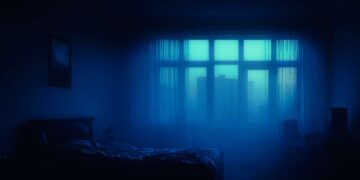
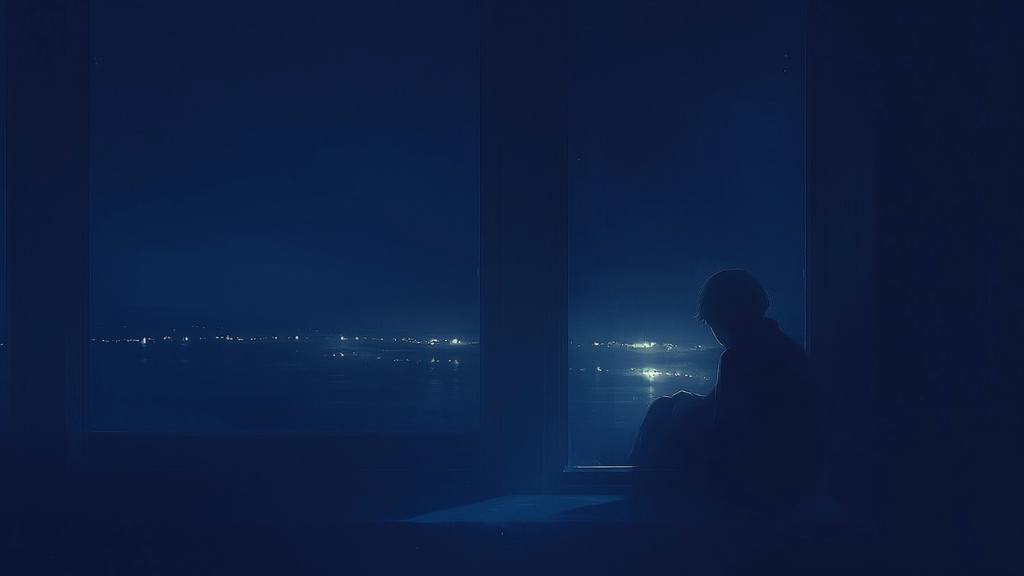
Some people do not want to sleep immediately. They just want to come down. Dark ambient works well during those in-between states: journaling, lying down, dimming lights, stretching, sitting quietly, or staring out a window without needing to do anything productive.
While journaling or processing emotions
Dark ambient can support reflective writing, emotional processing, or slow thinking. It helps create an atmosphere where you are not rushing toward a conclusion.
For quiet reading or late-night writing
If you want to read, write, or think without the emotional brightness of typical study playlists, darker ambient textures can help create focus without becoming distracting.
During reflective walking
Some people find that slow, moody, instrumental music helps them process the day more gently during an evening walk. Dark ambient can make that walk feel like a transition instead of just movement.
What Kind of Dark Ambient Works Best for Nighttime Calm?
Not all dark ambient is suited for anxiety relief or overthinking. Some tracks are intentionally dissonant, ominous, or heavy. Those can be powerful in the right context, but they are not always ideal when your goal is decompression.
For nighttime calm, the most helpful dark ambient usually has these qualities:
Soft textures instead of sharp edges
Look for tracks that feel spacious, misty, slow, and low-pressure rather than abrasive or aggressively cinematic.
Minimal percussion
Heavy beats can keep the nervous system alert. Gentle pulses or no obvious rhythm at all often work better for winding down.
Low emotional demand
The best tracks for overthinking do not constantly pull your attention. They stay present, but not intrusive.
Repetition and consistency
Subtle repetition can be soothing. It gives the mind something stable to return to without becoming hypnotically overwhelming.
Liminal or nocturnal atmosphere
Music that feels like fog, dusk, empty streets, old rooms, distant lights, or dreamlike stillness often works especially well for people who find comfort in eerie calm rather than overt serenity.
If a track feels too intense, too dramatic, or too emotionally sharp, save it for another time. Calm dark ambient should feel containing, not consuming.
A Simple Listening Ritual for Overthinking and Nighttime Anxiety
You do not need an elaborate self-care routine for music to help. The most effective rituals are often the simplest ones because they are easier to repeat.
Here is a gentle nighttime listening ritual you can try:
1. Lower the room before you lower your mind
Dim the lights. Put the phone out of reach if possible. Reduce visual stimulation first. Let the room start matching the kind of quiet you want internally.
2. Choose one playlist or one track world
Do not spend twenty minutes searching. Pick a dark ambient playlist, album, or track sequence that already feels safe and familiar.
3. Keep the volume low
Dark ambient works best as an environment, not as a performance. The sound should support the room, not dominate it.
4. Pair it with one grounding action
This could be:
- slow breathing
- making tea
- stretching
- writing one page in a journal
- sitting near a window
- lying down with eyes closed
5. Let the music hold the transition
Do not ask yourself to “feel better” immediately. Let the music do one job only: carry you from stimulation toward softness.
6. Repeat the ritual often enough to become familiar
The real power comes from repetition. When the same atmosphere returns night after night, it becomes easier for the body to recognize that it is time to let go a little.
Dark Ambient Music and the Nervous System
Dark ambient music is not therapy, but it can support regulation in practical ways.
Much of modern restlessness comes from living in states of constant partial attention. Even when we are home, part of the mind is still “out there” in work, media, conversation, deadlines, and unfinished loops. Music with less verbal content and more atmospheric continuity can help reduce this scattered feeling.
For many people, calming music works best when it does not deny the emotional tone they are already in. That is why dark ambient can feel more effective than cheerful wellness audio. It makes room for tiredness, ambiguity, grief, emotional residue, and mental crowding. Instead of forcing a mood shift, it offers a container.
That container matters.
Nighttime calm is often not about becoming instantly peaceful. It is about becoming slightly less activated, slightly less entangled, slightly less alone inside your own thoughts.
Sometimes that is enough to begin resting.
How to Build a Dark Ambient Routine That Actually Helps
The most useful listening routine is one that fits your real life.
Here are a few ways to make dark ambient music part of your evenings without turning it into another task to “do correctly.”
Keep one dedicated nighttime playlist
Have one playlist only for rest, decompression, or overthinking nights. Let it become associated with calm.
Match the music to the moment
Use softer, more spacious tracks for anxiety and bedtime. Use slightly more structured atmospheric tracks for journaling, reading, or writing.
Avoid endless choice
Too many options can increase mental noise. Curate a small set of trusted tracks instead of searching from scratch every night.
Use it as a bridge, not a cure
Let the music accompany the transition. It does not have to solve everything to be useful.
Notice what your mind responds to
Some listeners need near-silence with a faint drone underneath. Others need more texture, more atmosphere, more emotional weight. Pay attention to what actually helps you settle.
Dark Ambient for Different Nighttime States
Not every difficult night feels the same. The kind of music you choose can shift depending on what you are carrying.
If you are overthinking
Choose minimal, repetitive, non-distracting sound with no vocals and no dramatic changes.
If you are anxious or overstimulated
Choose the gentlest, warmest dark ambient you can find. Soft drones, distant textures, low-motion atmospheres.
If you are emotionally heavy
Choose music that feels spacious and honest rather than cheerful. Let it meet your mood without pulling it darker.
If you are journaling or reflecting
Choose slightly more textured tracks that support thought without taking over.
If you are reading or writing late
Choose dark ambient or ambient lofi with a subtle sense of motion so the mind stays present but not overactivated.
Related Reading on Dark Lofi Media
If this atmosphere helps you, these articles are natural next steps:
- Dark Ambient Music for Overthinking at Night
- How Dark Ambient Music Helps with Anxiety and Overstimulation
- Nighttime Decompression: A Dark Ambient Listening Ritual After Screens
- Dark Ambient Music for Journaling, Late-Night Writing, and Thought Processing
- How Liminal Spaces Help Anxiety
These pieces go deeper into specific use cases and can help you find the kind of listening ritual that fits your own evenings best.
Listen Deeper with Wartonno Sound
If you are looking for dark ambient music that supports overstimulation relief, nighttime reflection, liminal calm, or quiet mental decompression, explore the sound worlds of Wartonno Sound.
These tracks are made for listeners who do not always want bright relaxation music. They are designed for quieter transitions, thoughtful evenings, reflective walks, and those in-between states where rest begins slowly.
You can start with:
- a dark ambient playlist for nighttime calm
- a reflective listening session after screens
- atmospheric tracks for journaling, reading, or soft focus
- liminal soundscapes for emotional decompression
Let the music be a room you can step into.
Final Thoughts
Overthinking is not always loud from the outside. Sometimes it is simply the inability to leave the day behind.
Dark ambient music offers one possible way through that threshold.
Not by erasing thought. Not by pretending to heal everything in one night. But by creating a gentler environment for your mind to slow down, your body to soften, and your inner atmosphere to become a little less crowded.
When the world has been too bright, too fast, too full, darker and quieter music can sometimes feel like relief.
And on certain nights, relief is enough.
FAQ: Dark Ambient Music for Overthinking and Anxiety
Can dark ambient music really help with overthinking?
It can help many people reduce mental noise by creating a stable, low-pressure atmosphere. It does not stop thoughts completely, but it can make them feel less sharp, scattered, or intrusive.
Is dark ambient music good for anxiety?
For some listeners, yes. Especially if they find bright or overly cheerful relaxation music emotionally mismatched. Softer dark ambient can feel grounding, spacious, and less demanding.
What kind of dark ambient is best for nighttime calm?
The best options are usually slow, instrumental, low-volume, and minimal. Look for soft textures, little or no percussion, and a calm nocturnal atmosphere rather than highly dramatic or unsettling sound design.
Is dark ambient music the same as sleep music?
Not exactly. Some dark ambient music works well before sleep, but it is broader than typical sleep music. It can also support journaling, reading, decompression, writing, and reflective walking.
Can dark ambient music help after screen time?
Yes. Many people use atmospheric instrumental music as a transition after digital overstimulation. It can help create distance from the speed and brightness of screens.
What if silence makes my overthinking worse?
That is one reason dark ambient can help. It fills the room gently without becoming distracting, which can make nighttime feel less exposed and mentally intense.
Is dark ambient music always scary or unsettling?
No. Dark ambient can be eerie, but it can also be soft, beautiful, spacious, meditative, and emotionally calm. The word “dark” often refers more to mood and atmosphere than to fear.