






















Artificial Intelligence is everywhere.
It writes content.
Generates music.
Builds businesses.
And for many people, it quietly triggers a new kind of anxiety:
“What happens to me in this future?”
If you’ve felt overwhelmed, distracted, or even slightly panicked by AI, you’re not alone.
This is not just curiosity.
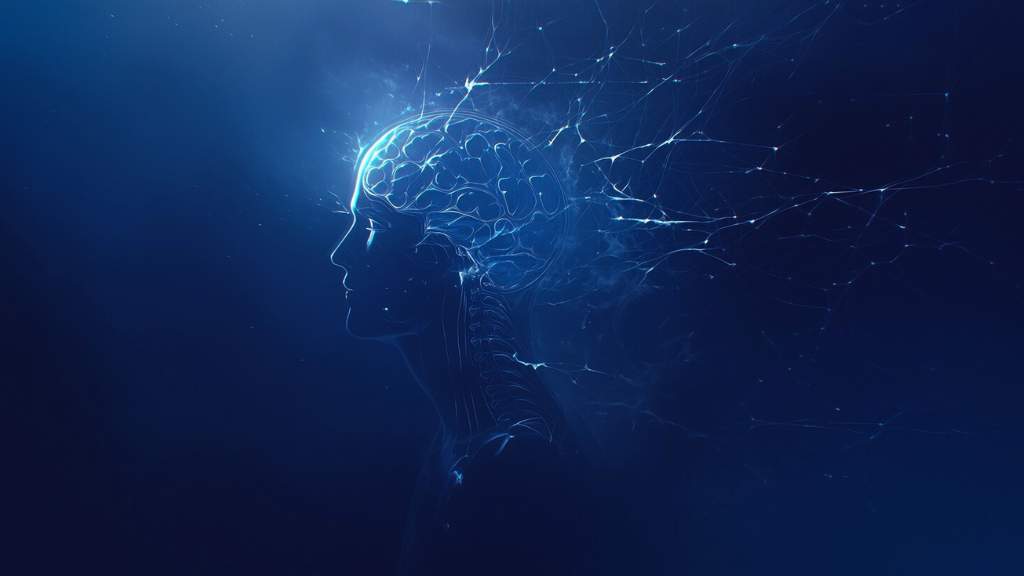
This is AI anxiety.
In this guide, you’ll learn how to stop AI anxiety using practical, grounded techniques, including one of the most overlooked tools: sound.
What Is AI Anxiety (And Why It Feels So Intense)
AI anxiety is not just fear of technology.
It’s a mix of:
- Fear of being replaced
- Loss of control
- Information overload
- Identity uncertainty
- Future unpredictability
The problem is not AI itself.
The problem is constant exposure without resolution.
Your brain keeps asking:
“Is this dangerous for me?”
And it never gets a clear answer.
That creates a loop.
The Hidden Trigger: You’re Consuming Too Much “Future”
Most anxiety comes from living too far ahead.
AI accelerates this.
You are constantly exposed to:
- Predictions
- Scenarios
- “What if” headlines
- Exponential growth narratives
Your nervous system is not built for this level of abstraction.
It reacts as if something is already wrong.
Step 1 — Limit AI Input (Without Ignoring Reality)
You don’t need to avoid AI.
But you do need boundaries.
Try this:
- Check AI-related news once per day max
- Avoid AI content before sleep
- Unfollow accounts that trigger urgency or fear
This is not denial.
This is input regulation.
Step 2 — Shift From Thinking to Sensing
Anxiety lives in thought loops.
Relief lives in the body.
To interrupt AI anxiety, you need to leave the mental layer.
Simple reset:
- Sit still for 2 minutes
- Focus on breathing
- Notice physical sensations
This tells your nervous system:
“Right now, I am safe.”
Step 3 — Use Sound to Break the Loop
This is where most people underestimate the solution.
Sound can directly influence your state.
Especially ambient sound.
Unlike music with lyrics, ambient sound:
- Doesn’t demand attention
- Doesn’t trigger comparison
- Doesn’t pull you into narrative
It creates space.
Why Dark Ambient Music Works for AI Anxiety
Dark ambient music is particularly effective because it:
- Matches uncertainty instead of denying it
- Slows cognitive activity
- Reduces overstimulation
- Supports introspection without panic
It doesn’t try to “fix” your mood instantly.
It stabilizes it.
Step 4 — Create a 10-Minute Reset Ritual
When AI anxiety spikes, do this:
- Turn off all notifications
- Put your phone away
- Play a dark ambient track
- Sit in low light
- Do nothing for 10 minutes
No scrolling.
No thinking.
No planning.
Just presence.
This resets your baseline.
Suggested Soundscapes for This Reset
You don’t need a playlist of 100 tracks.
You need a few that work.
Unbloom
Best for: feeling lost or uncertain about your future
Mood: quiet transformation, identity shift
Farsleeper
Best for: nighttime anxiety and overthinking
Mood: soft distance, suspended calm
Driftveil
Best for: creative anxiety or work-related pressure
Mood: floating focus, reduced mental noise
These tracks are designed to hold space, not fill it.
Step 5 — Anchor Yourself in the Present (Not the Prediction)
AI anxiety lives in imagined futures.
But your body lives here.
Right now.
Ask yourself:
- Am I safe in this moment?
- Is anything actually happening to me right now?
Most of the time, the answer is:
No.
This is the gap where regulation happens.
Why You Don’t Need to “Solve” AI Right Now
A hidden cause of anxiety is the feeling that you must figure everything out.
You don’t.
You are allowed to:
- Not have all the answers
- Not predict your future
- Not optimize your life instantly
The pressure to adapt instantly is part of the anxiety itself.
A Different Perspective on AI
AI is a tool.
A powerful one.
But tools don’t remove human experience.
They change context.
There will still be:
- Emotion
- Meaning
- Presence
- Perception
And those are not replaceable in the way headlines suggest.
When AI Anxiety Becomes Too Much
If you feel:
- Constant tension
- Sleep disruption
- Obsessive thinking
- Loss of focus
Then it’s not just curiosity anymore.
It’s a nervous system issue.
And the solution is not more information.
It’s regulation.
Final Thoughts: Calm Is a Skill in a Fast World
The people who adapt best to change are not the fastest thinkers.
They are the most regulated.
AI will continue to evolve.
But your ability to stay grounded will determine how you experience that evolution.
You don’t need to outpace the future.
You need to stay stable inside it.
If AI anxiety has been affecting your focus or sleep:
🎧 Try listening to Unbloom, Farsleeper, or Driftveil
🌒 Explore more dark ambient soundscapes on wartonnosound.com
🔗 Stream via Wartonno Hub and create your own reset ritual