





















There is a quiet shift happening in music.
Not loud.
Not explosive.
Not the kind of trend that arrives with a new haircut, a new fashion movement, or a dramatic headline.
It is softer than that.
It is happening in bedrooms, playlists, late-night scrolling sessions, study routines, lonely walks, journal pages, and small hours when people are looking for something that does not demand too much from them.
Dark ambient music and bedroom pop may look like different worlds at first. One often lives in drones, shadows, cinematic textures, empty spaces, and slow emotional pressure. The other lives in intimate vocals, DIY production, soft melodies, and lyrics that feel like they were recorded too close to the heart.
But underneath, they are moving toward the same place.
They are becoming music for emotional states.
Not just music to hear.
Music to inhabit.
1. Emotional Utility Music Is Becoming More Important
For years, music was mostly marketed by genre.
Ambient. Indie. Pop. Electronic. Lo-fi. Alternative. Bedroom pop.
But many listeners do not begin with genre anymore. They begin with a need.
They search for music for focus.
Music for sleep.
Music for anxiety.
Music for overthinking.
Music for studying.
Music for journaling.
Music for being alone without feeling completely alone.
This is what makes emotional utility music so important.
The word “utility” can sound cold, but here it means something very human. It means the music has a role. It helps someone cross a small emotional distance. It turns silence into something softer. It gives shape to a room, a thought, or a mood that felt too vague before.
Dark ambient music fits naturally into this space.
It does not always ask for attention in the way a traditional song does. It does not need a chorus, a hook, or a dramatic vocal moment to become meaningful. Sometimes one low drone, one distant piano note, or one slow texture is enough to change the emotional temperature of a room.
This is why ambient music is so powerful for people whose minds will not stop moving.
It gives the mind something to rest against.
Bedroom pop does something similar, but through closeness. Its power often comes from intimacy: a voice that sounds human, imperfect, unpolished, and near. It feels like someone singing from a room rather than a stage.
Both styles answer a very modern question:
What do I listen to when I do not want to escape my feelings, but I also do not want to be overwhelmed by them?
That is where the future is moving.
Music is becoming less about genre labels and more about use, mood, and emotional recognition.
2. Ambient and Bedroom Pop Are Moving Closer Together
The second important shift is the merging of sonic worlds.
Dark ambient and bedroom pop are no longer separated by a hard wall. More and more, you can hear them touching each other.
Bedroom pop is borrowing atmosphere from ambient music.
Ambient music is borrowing intimacy from bedroom pop.
This can sound like:
- soft vocals floating over drone textures
- whispered phrases inside cinematic soundscapes
- lo-fi melodies surrounded by deep reverb
- slow synth pads under diary-like songwriting
- dream pop, slowcore, ambient, and indie pop blending into one mood
This is interesting because listeners are becoming more flexible. They do not always care whether a track is officially bedroom pop, dark ambient, dream pop, or slowcore. They care whether the music feels honest.
They care whether it sounds like a place they recognize inside themselves.
That is also why a song like “The Room Stays Awake” by SOMNii fits this wider conversation. It carries the intimacy of bedroom pop, but also the late-night atmosphere of something more cinematic and shadowed. It does not feel far away from ambient listening culture. It feels connected to the same world: music made for people who are awake when the room has gone quiet.
This is the interesting zone for artists and listeners right now.
Not pure pop.
Not pure ambient.
Not only lo-fi.
Not only cinematic.
But emotional hybrids.
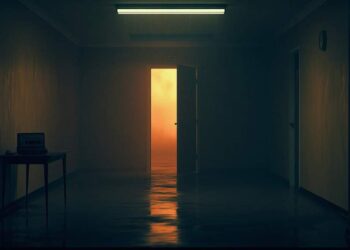
Music that feels like a voice in a dark room.
Music that feels like memory with a pulse.
Music that feels private, atmospheric, and slightly unreal.
For dark ambient creators, this opens a door. A track does not need to become a full vocal song to feel more human. A single whispered line, a distant phrase, or a ghost-like vocal texture can add emotional closeness without breaking the atmosphere.
For bedroom pop artists, ambient textures can make a small song feel bigger. They can turn a diary entry into a landscape.
This is where both worlds become stronger.
3. Short Emotional Loops Are Becoming Discovery Tools
The third point is practical, but it may be the most important for music discovery.
Short-form platforms have changed how listeners enter a song.
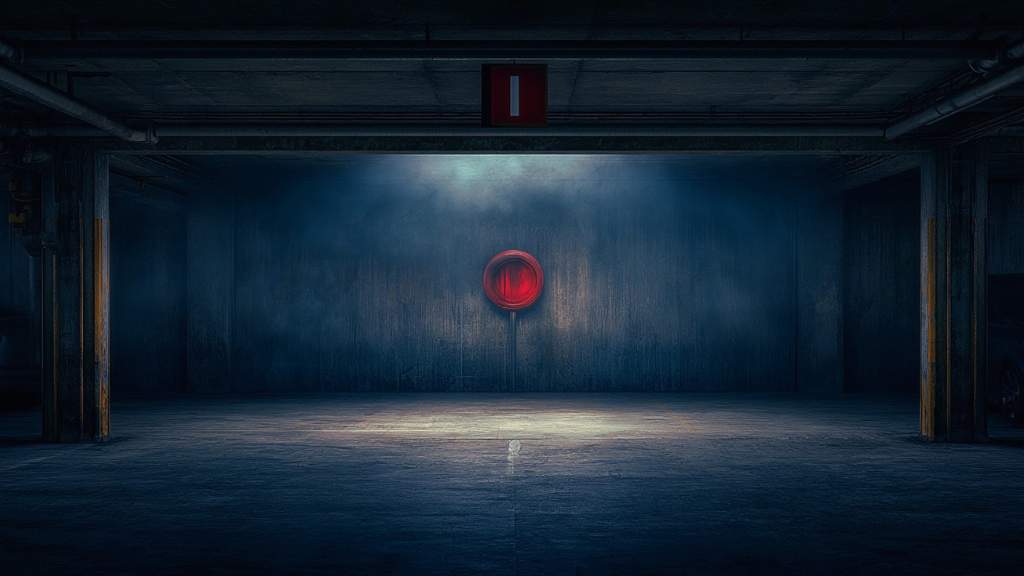
A person may not discover an artist through an album anymore. They may discover them through ten seconds of sound under a visual: a lonely room, a rainy street, a night train, a hand near a window, a face lit by blue light.
That short moment can become a doorway.
This matters especially for dark ambient and bedroom pop because both genres are built around mood.
A full track may take time to unfold, but a feeling can arrive immediately.
One sound can do it.
A soft chord.
A tape-worn synth.
A whispered lyric.
A small melodic phrase.
A visual that says: you have felt this too.
For artists, this means every track should contain at least one emotional doorway. Not necessarily a chorus. Not necessarily a drop. But a moment that can live as a loop.
Something that makes the listener stop scrolling because it names a feeling they did not expect to see.
For example:
“You ever miss a place that never existed?”
“A sound for when the room feels too quiet.”
“Music for when your mind will not stop.”
“This is what overthinking sounds like at 2 AM.”
These lines work because they do not sell the track directly. They speak to the listener’s state. They invite recognition.
And recognition is powerful.
In a world full of noise, the most effective music content may not be the loudest. It may be the one that quietly says: I know this feeling too.

The Bigger Direction: Feeling-First Music
The deeper trend is clear.
Dark ambient, bedroom pop, slowcore, dream pop, lo-fi, and liminal soundscapes are all circling the same emotional territory.
They are becoming music for private states.
For late-night thinking.
For emotional reset.
For focus.
For loneliness.
For memory.
For the strange comfort of quiet places.
This does not mean genre no longer matters. Genre still helps organize sound. But genre is no longer the only entry point.
The listener’s emotional state is becoming just as important.
That is why the future belongs to music that knows what kind of room it belongs in. Music that understands silence. Music that can sit beside the listener without demanding too much.
Dark ambient gives us space.
Bedroom pop gives us closeness.
Together, they point toward a new kind of listening culture: one built around atmosphere, honesty, and emotional use.
For listeners, that means more music that feels like shelter.
For artists, it means the most important question may no longer be:
“What genre is this?”
But:
“What feeling does this help someone survive, understand, or return to?”
Listen Further
If you are drawn to dark ambient, liminal soundscapes, bedroom-pop intimacy, and music for overthinking, focus, sleep, and quiet reflection, explore more through Wartonno Sound.
Full catalog on Spotify, Apple, SoundCloud, YouTube, Deezer, Tidal and more
For a related bedroom-pop direction, read the feature on SOMNii and The Room Stays Awake
















Comments 1