





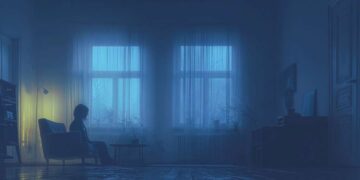

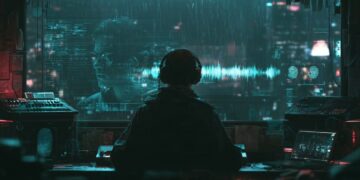
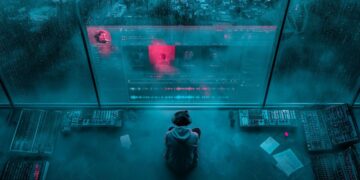
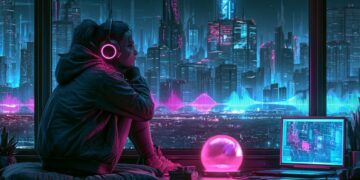
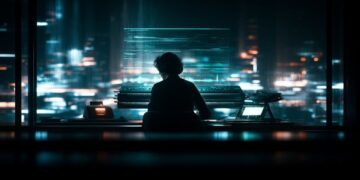

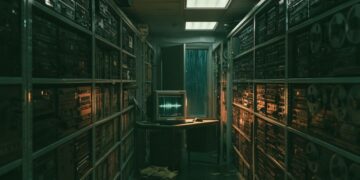

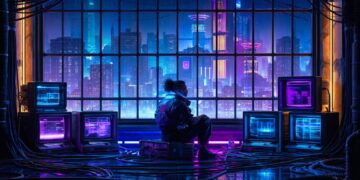

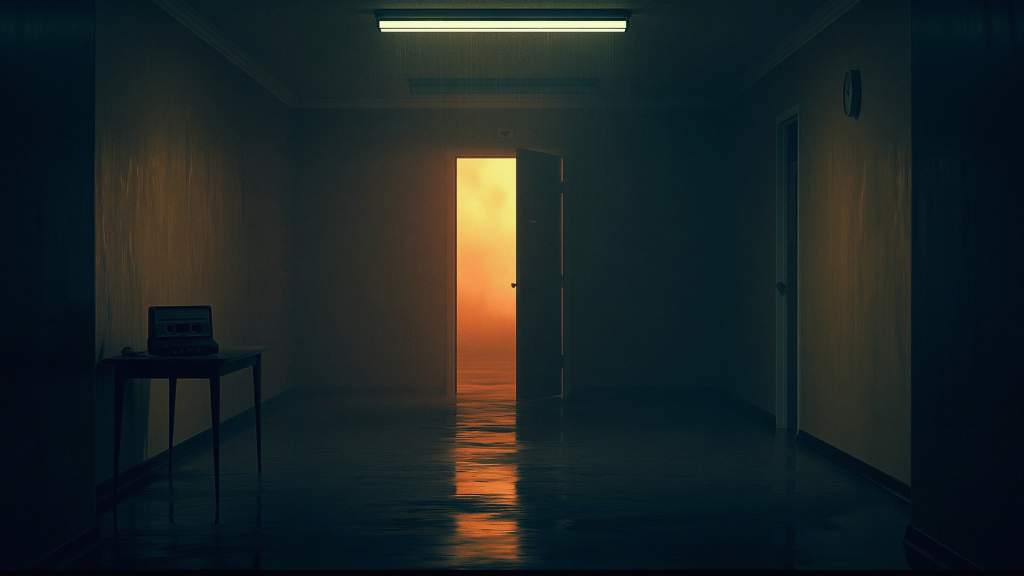
There is a certain kind of music that only makes sense when the room is quiet.
Not party music. Not background music for a busy afternoon. Not something designed to explain itself in the first ten seconds.
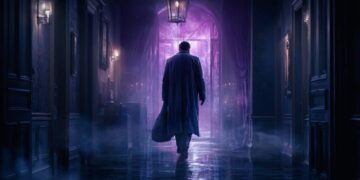
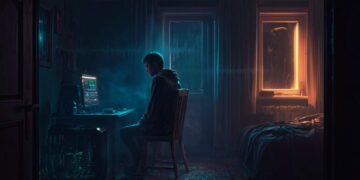
This is music for the hour when the screen glow is the only light left. Music for empty rooms, slow thoughts, strange hallways, unfinished memories, and the private feeling of being awake too late.
In 2026, several different cultural signals are pointing toward the same idea: late-night music is becoming emotional architecture.
The rise of Backrooms and liminal horror has made empty rooms feel newly important. Dark ambient music has become a natural soundtrack for overthinking, focus, sleep, and psychological space. Bedroom pop continues to evolve as a private, intimate form of songwriting, often blending with R&B, shoegaze, indie pop, and experimental textures.
At first, these worlds seem separate.
Backrooms belongs to horror.
Dark ambient belongs to soundscape culture.
Bedroom pop belongs to intimate songwriting.
But they all speak to the same listener: someone alone with their thoughts, moving through an inner room they cannot quite leave.
Backrooms made the room frightening again
The power of Backrooms is simple, but difficult to escape.
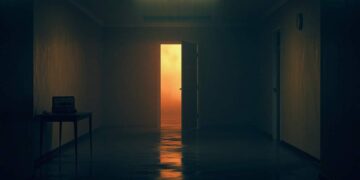
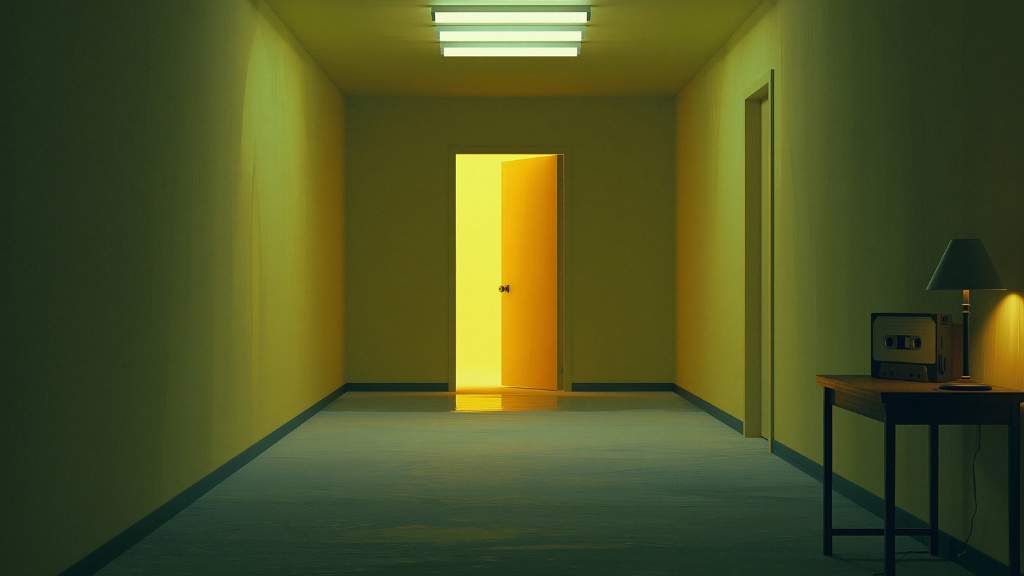
A hallway.
A fluorescent light.
A yellow room.
A basement door.
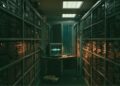
An office corridor with no people inside it.
A place that looks ordinary until it stops behaving like an ordinary place.
Backrooms horror does not always need a monster. The space itself becomes the pressure. The architecture becomes the threat. The silence becomes active.
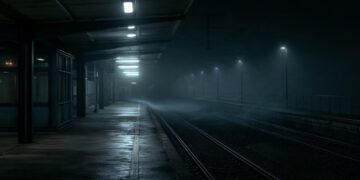
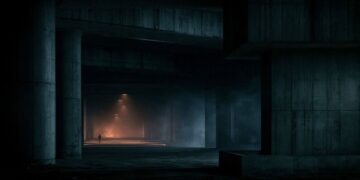
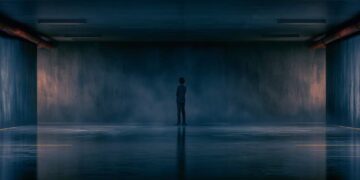
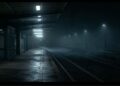
That is why liminal spaces have become so emotionally powerful. They are not fantasy landscapes. They are familiar places with the meaning removed: dead malls, empty hotel corridors, office floors after closing time, basements, waiting rooms, school hallways, stairwells, parking garages, and furniture showrooms.
These are places we usually pass through.
In liminal horror, the passing-through never ends.
You do not arrive.
You do not escape.
You keep walking.
That is also why Backrooms connects so strongly with overthinking. Both feel like being trapped inside a repeating structure. One corridor becomes another corridor. One thought becomes another thought. One possible answer opens into another question.
The horror is not only that you are lost.
The horror is that the space seems to understand how lost you are.
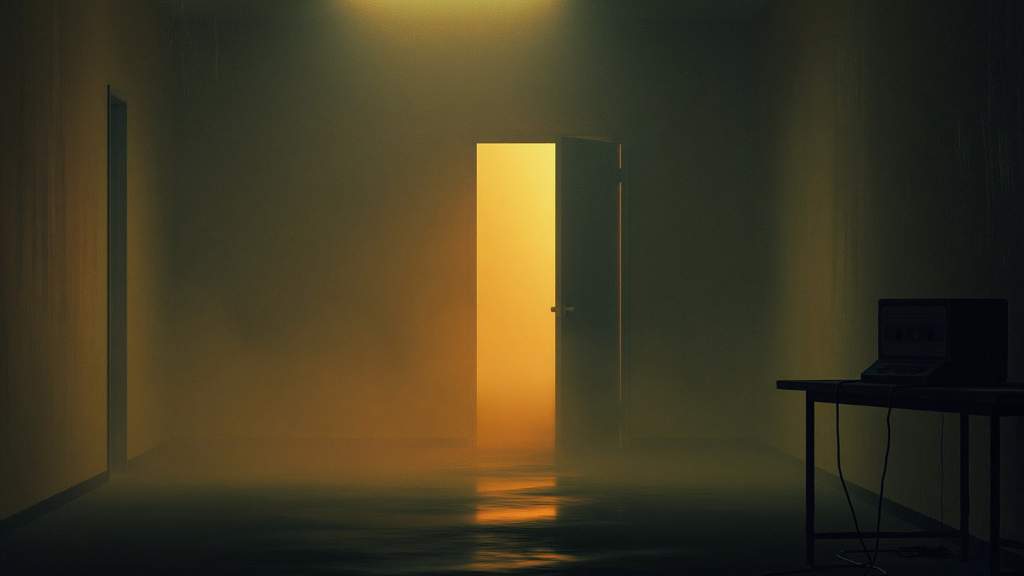
Dark ambient turns architecture into sound
If Backrooms made liminal horror visible, dark ambient music makes it listenable.
A liminal space needs a sound. It needs the low hum of fluorescent lights, the pressure of air conditioning, the soft hiss of old electronics, the distant vibration of a room beyond the wall, the silence that does not feel completely empty.
Dark ambient music works because it builds rooms out of sound.
A drone can feel like a corridor.
A low pad can feel like a basement.
Tape hiss can feel like memory.
A distant piano note can feel like a light left on somewhere you cannot reach.
Unlike traditional horror music, dark ambient does not always attack the listener. It does not need sharp strings, sudden hits, or obvious fear cues. Its power is slower. It surrounds the listener. It gives dread a shape, but not always a face.
That makes it especially useful for emotional listening.
Many people now search for music not only by genre, but by mental state. They want music for sleep, music for writing, music for anxiety, music for focus, music for overthinking, music for walking alone, music for reading, music for emotional decompression.
Dark ambient fits that world because it does not demand a clear emotional reaction.
It gives the listener space.
For overthinking, that space can be strangely helpful. The mind loops, but the music slows the loop. The thought continues, but it becomes part of a larger atmosphere. Instead of fighting silence, dark ambient gives silence texture.
It does not say: stop thinking.
It says: here is a room where the thought can soften.
Bedroom pop gives the room a voice
Bedroom pop approaches the same emotional territory from another direction.
Where dark ambient creates a room, bedroom pop often creates a voice inside the room.
The genre has always carried a feeling of intimacy. Even when bedroom pop becomes polished, even when it moves closer to R&B, indie pop, shoegaze, or alternative production, it still keeps the feeling of someone speaking from a private interior space.
A bedroom-pop song can feel like a message written but not sent.
A voice memo after midnight.
A confession recorded too close to the microphone.
A melody that understands loneliness without turning it into drama.
This is why bedroom pop and dark ambient belong in the same conversation.
Dark ambient gives overthinking a room.
Bedroom pop gives overthinking a voice.
One removes language so the listener can feel the atmosphere.
The other keeps language close so the listener does not feel completely alone.
Both are late-night genres.
Both are built around private listening.
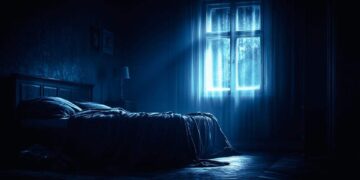
Both understand the emotional weight of ordinary spaces: bedrooms, apartments, empty streets, screens, hallways, closed doors, and the strange pressure of being alone with your own mind.
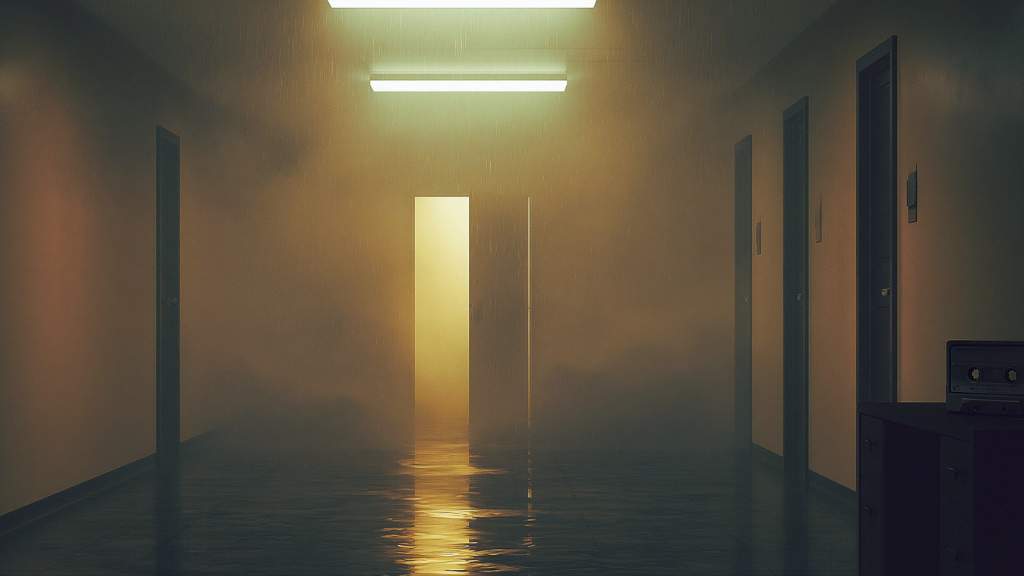
Late-night music is becoming hybrid
The old genre borders are becoming less useful.
Ambient music is moving into soundtrack culture, experimental pop, modern classical, field recording, drone, and electronic composition. Bedroom pop is moving into shoegaze, R&B, alt-rock, dream pop, and hazy guitar textures. Liminal horror is moving from internet subculture into cinema, soundtrack albums, playlists, and visual aesthetics.
The listener does not always care where one genre ends and another begins.
They care about what the music does.
Does it help me focus?
Does it help me sleep?
Does it match the feeling of overthinking?
Does it make the room feel less loud?
Does it give shape to something I cannot explain?
This is why late-night music is becoming emotional architecture.
It is not only sound. It is a place to enter.
A dark ambient track can become a corridor for reflection.
A bedroom pop song can become a small lit room.
A Backrooms soundtrack can become the sound of anxiety turning into architecture.
A liminal playlist can become a map for people who feel suspended between states.
In this sense, music is no longer only entertainment.
It becomes a usable emotional environment.
Backrooms, bedroom pop, and the modern inner life
Backrooms feels so current because it turns modern unease into physical space.
Many people know what it feels like to be overstimulated but emotionally tired. Connected but lonely. Surrounded by screens but unable to rest. Always moving, but never arriving. Always thinking, but not always resolving.
Backrooms visualizes that feeling.
It turns anxiety into rooms.
It turns uncertainty into corridors.
It turns emotional repetition into architecture.
Bedroom pop does something similar with songwriting. It takes private feeling and makes it audible. It lets insecurity, longing, sadness, romance, boredom, and self-doubt stay small enough to feel real.
Dark ambient sits between these two worlds.
It does not explain the room.
It does not sing directly from the room.
It lets the room breathe.
That is why these styles work together so well. They are different ways of dealing with the same emotional problem: how to live inside a mind that does not always become quiet when the day ends.
Why this matters for Wartonno Sound
Wartonno Sound is not connected to the official Backrooms film or soundtrack.
But it exists in a similar listening world: dark ambient music, liminal spaces, empty rooms, late-night thought, quiet dread, emotional decompression, writing music, sleep music, focus music, and the atmosphere of places that feel almost familiar.
The Wartonno Sound catalog is built for listeners who are drawn to strange quiet.
For people who need calm, but not brightness.
For people who like the feeling of empty hallways, distant rooms, rain on windows, fluorescent silence, and soft static.
For people who want music for overthinking without being told exactly what to feel.
For people who use sound as a way to enter a different inner state.
This is where Backrooms culture, dark ambient music, and late-night emotional listening meet.
Not in loud horror.
But in suspension.
The feeling of standing in a room that is not entirely safe, but somehow still gives your thoughts somewhere to go.
Recommended listening
For listeners who want to explore this atmosphere further, start with the Backrooms-inspired playlist and related Wartonno Sound tracks.
Backrooms Ambient Music — Liminal Horror & Empty Room Sounds
A Spotify playlist for empty corridors, fluorescent rooms, abandoned malls, office hallways, analog horror, liminal spaces, and quiet psychological unease.
Stop Overthinking — Wartonno Sound
Dark ambient music for mental loops, emotional decompression, late-night thought, and quiet reset.
Static Between Floors — Wartonno Sound
Liminal ambient music for writing, focus, and the strange feeling of being suspended between places.
Quiet Place — Wartonno Sound
Minimal dark ambient music for reflection, journaling, sleep, and stillness.
Backrooms, Liminal Spaces, and the Soundtrack of Overthinking
A related article about how Backrooms, dark ambient sound, and liminal horror connect through empty rooms and psychological space.
Liminal Space Music: Empty Rooms, Strange Hallways, and the Sound of Overthinking
A deeper listening guide for anyone drawn to strange hallways, quiet dread, and music that feels like a place.
Final thought
Backrooms made liminal horror visible.
Dark ambient made it listenable.
Bedroom pop gave it a voice.
Together, they reveal something important about modern listening: people are no longer only searching for genres. They are searching for spaces that match their inner life.
A room for overthinking.
A sound for loneliness.
A voice for late-night doubt.
A corridor for memory.
A soft atmosphere for emotional reset.
Late-night music is becoming emotional architecture because many listeners need more than songs.
They need places.
Places made of sound.
Places where the mind can wander without completely disappearing.
Places where the quiet finally has a shape.
Explore Backrooms-inspired dark ambient and liminal space music by Wartonno Sound.
Full catalog Spotify, Apple, SoundCloud, YouTube, Deezer, Tidal and more →
FAQ Section
What is emotional architecture in music?
Emotional architecture means music that feels like a space rather than only a song. Dark ambient, liminal music, and some forms of bedroom pop can create a room-like atmosphere for reflection, overthinking, sleep, writing, and emotional decompression.
How are Backrooms and dark ambient music connected?
Backrooms horror uses empty rooms, strange hallways, fluorescent lights, and liminal spaces to create psychological unease. Dark ambient music uses drones, silence, low textures, tape hiss, and distant melodies to create a similar feeling through sound.
Why does bedroom pop fit late-night listening?
Bedroom pop often feels intimate, private, and emotionally close. It usually focuses on personal thoughts, soft vocals, vulnerability, loneliness, romance, and self-reflection, making it ideal for late-night listening.
What is music for overthinking?
Music for overthinking is sound that helps listeners sit with repetitive thoughts without becoming overwhelmed. Dark ambient, liminal ambient, soft lofi, bedroom pop, and slow atmospheric music are often used for this purpose.
Is Wartonno Sound connected to the official Backrooms movie?
No. Wartonno Sound is not connected to the official Backrooms film or soundtrack. The music is independently created and inspired by dark ambient, liminal spaces, empty rooms, overthinking, and cinematic quiet.









Comments 4