


















Why Late-Night Music Is Becoming Emotional Worldbuilding
Late-night music is changing.
It is no longer only about genre. It is no longer enough to say that something is ambient, bedroom pop, dark lofi, shoegaze, cinematic electronic, or experimental.
More and more, listeners are searching for music that feels like a place.
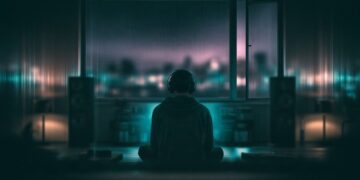
A room for overthinking.
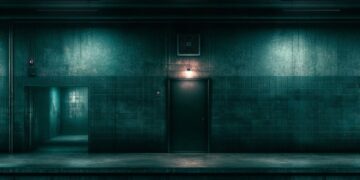
A hallway for memory.
A voice for loneliness.
A city for the future.
A soundtrack for the hour when the world becomes too quiet.
That is why dark ambient, bedroom pop, liminal music, and cinematic cyberpunk ambient now belong in the same conversation.
Dark ambient gives overthinking a room.
Bedroom pop gives overthinking a voice.
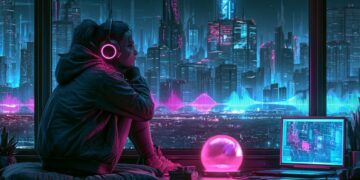
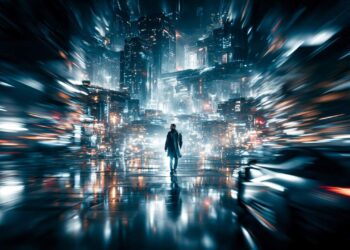
Cyberpunk ambient gives overthinking a city.
This is also where the worlds of Wartonno, Wartonno Sound, and SOMNII begin to connect.
Ambient music is no longer just background sound
Ambient music has always had a relationship with space. But right now, the conversation around ambient music feels especially focused on mood, memory, atmosphere, and interior states.
Bandcamp Daily’s recent ambient coverage continues to frame ambient as a wide and flexible listening world, moving through experimental sound, drone, abstraction, and emotional atmosphere rather than only relaxation or background music.
That matters because people increasingly search for music by use case.
They are not only searching for “ambient music.”
They are searching for music for writing.
Music for sleep.
Music for overthinking.
Music for liminal spaces.
Music for late-night focus.
Music for emotional decompression.
Music that makes a room feel less empty.
This is where dark ambient becomes especially powerful.
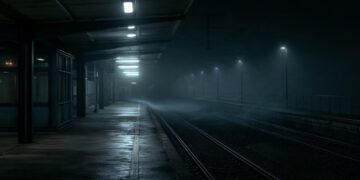
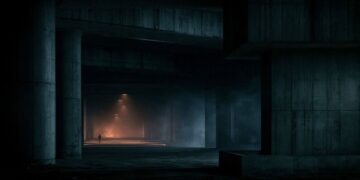
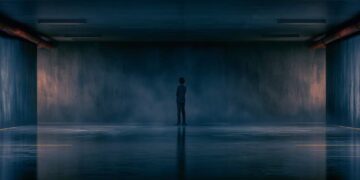
Dark ambient does not always try to comfort the listener in a bright or obvious way. It can feel like a long corridor, a fluorescent room, a silent train station, a dead mall, a basement light, or the low pressure of a city at 3 a.m.
It turns emotion into architecture.
Bedroom pop is becoming more atmospheric
Bedroom pop is moving toward the same listener from another direction.
Where dark ambient removes the voice and creates space, bedroom pop keeps the voice close. It gives private emotion a human shape.
Modern bedroom pop is not only lo-fi bedroom recordings anymore. It increasingly overlaps with dream pop, shoegaze, indie rock, R&B, and cinematic production while keeping the feeling of intimacy.
L’Rain’s upcoming album Fata Morgana is a useful signal here. It arrives August 14, 2026 via Mexican Summer, and the tracklist includes “Bedroom Songs,” which says a lot about how the bedroom remains a symbolic space in modern music: private, unstable, emotional, and personal.
Beabadoobee’s upcoming fourth album Pylon, due September 18, 2026, also points toward a broader indie-pop landscape where intimate songwriting is becoming larger, more produced, and more connected to alternative textures.
The bedroom is not only a recording location anymore.
It is a mood.
It is the place where late-night thoughts become songs.
Dark ambient gives overthinking a room
Overthinking has a spatial feeling.
It loops. It repeats. It opens one thought into another thought. It turns a small memory into a hallway. It keeps walking even when the body is still.
Dark ambient understands that feeling because it does not rush toward resolution.
A drone can feel like a wall.
A low pad can feel like a distant room.
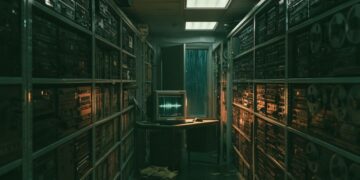
Tape hiss can feel like memory.
A field recording can feel like a place you almost remember.
This is why dark ambient works so well for people who write, read, think, journal, sleep badly, or need something calm but not bright.
It does not say: stop thinking.
It says: here is a room where the thought can exist without taking over everything.
That is why Wartonno Sound fits so naturally into the current late-night listening trend.
Wartonno Sound lives in the world of dark ambient, liminal spaces, psychological atmosphere, empty rooms, slow textures, and emotional decompression. It is music for people who are drawn to strange quiet. Music for overthinking. Music for focus. Music for stillness that does not feel artificial.
In a streaming world full of noise, Wartonno Sound creates rooms.
Bedroom pop gives overthinking a voice
SOMNII sits on the other side of the same emotional map.
Bedroom pop works because it makes private thoughts audible. It lets the listener hear a voice that feels close, vulnerable, and human.
A bedroom pop song can feel like a voice memo after midnight.
A message that was written but never sent.
A thought recorded before it became polished.
A small emotional confession made large through melody.
That is the strength of SOMNII as a project.
SOMNII can carry the emotional intimacy that dark ambient often leaves wordless. Where Wartonno Sound builds the room, SOMNII gives that room a voice.
This does not mean the projects need to become the same thing. Their strength is that they can speak to the same listener from different angles.
Wartonno Sound is the atmosphere.
SOMNII is the voice inside the atmosphere.
Both belong to the late-night listener.
Cyberpunk ambient turns the room into a city
Wartonno adds a third layer: cinematic cyberpunk ambient and worldbuilding.
This is where late-night music becomes bigger than a mood. It becomes a world.
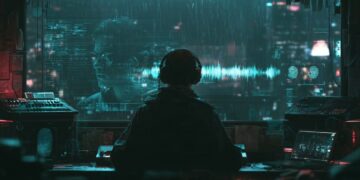
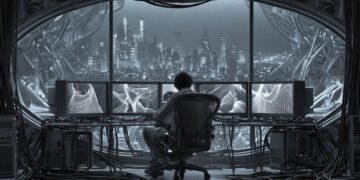
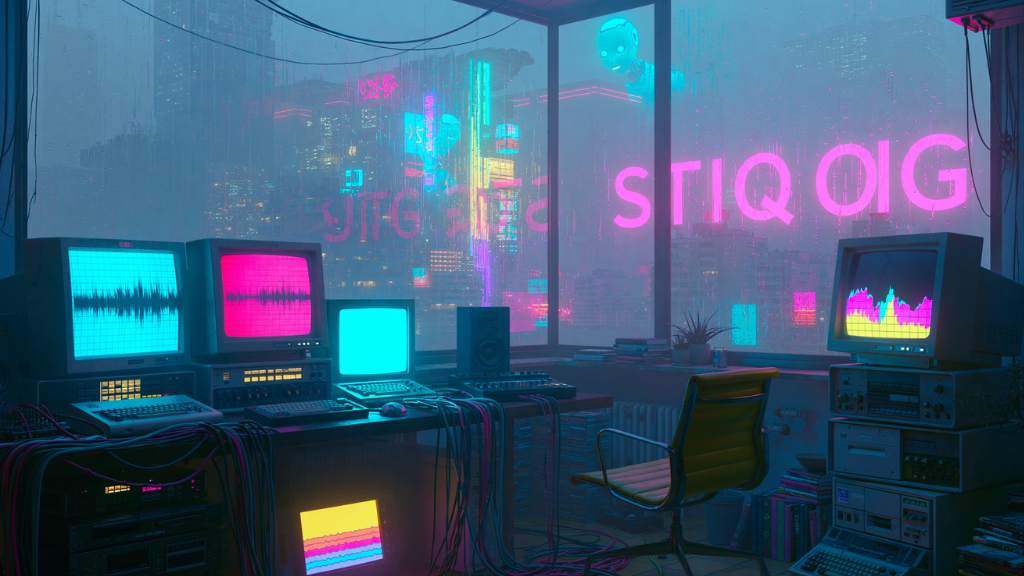
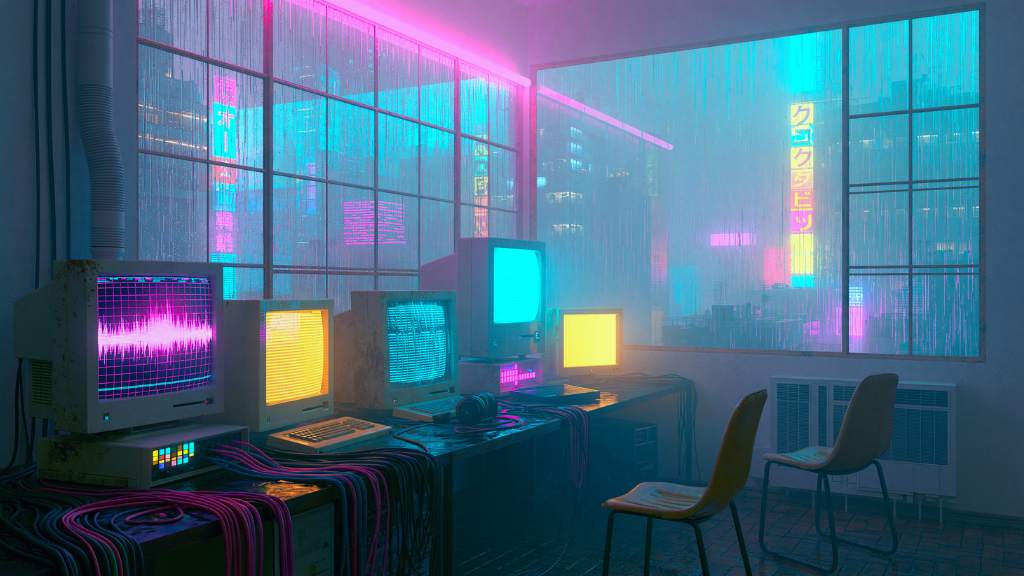
Cyberpunk ambient brings together dark ambient atmosphere, cinematic structure, future-noir imagery, electronic texture, and narrative imagination. It suggests neon cities, broken systems, artificial intelligence, data ghosts, surveillance, rain, memory, networks, and human beings trying to stay human inside systems that no longer feel human.
That is the direction behind Wartonno’s new project: Neon Ghost Frequencies.
The first transmission, After The System Broke, introduces a world after collapse. The system has failed, but the city is still glowing. The machines still hum. The rain keeps falling. The signal is damaged, but not dead.
This is not simply background music.
It is cinematic worldbuilding through sound.
Wartonno is the creator, curator, narrator, worldbuilder, and composer in this space. That identity matters because the music is not only a track. It is part of a larger archive: visuals, posts, project hubs, soundscapes, fragments, and future-noir transmissions.
Wartonno builds the city.
Why worldbuilding matters in music now
The strongest trend right now is not only that ambient is growing, or that bedroom pop is becoming more polished, or that dark music is becoming more cinematic.
The stronger trend is this:
Listeners are looking for emotional environments.
Space Afrika’s upcoming album Quiet Storm, due September 25, 2026 via Dais Records, is another useful signal. The project sits in an ambient-adjacent world of urban atmosphere, abstraction, and cinematic texture, which connects well to the broader movement toward music that feels immersive rather than purely genre-bound.
That is the territory where Wartonno, Wartonno Sound, and SOMNII can all live.
Not as isolated aliases, but as connected emotional worlds.
Wartonno builds the future-noir city.
Wartonno Sound builds the liminal room.
SOMNII gives the room a voice.
Together, they form a late-night listening ecosystem.
Music discovered by mood instead of genre
Search behavior is changing.
People still use genre labels, but they also search for moods, activities, and emotional states.
They search for:
music for overthinking
dark ambient for sleep
music for writing
liminal space music
bedroom pop for late nights
cyberpunk ambient music
future noir soundtrack
music for emotional decompression
This matters for independent artists because it changes how music should be presented.
A track is no longer only a track.
It can be a place to enter.
A scene to imagine.
A world to return to.
A signal inside a larger archive.
That is why blog posts, playlists, YouTube videos, visualizers, short-form videos, and project hubs matter. They help listeners understand where the music belongs emotionally.
For Wartonno, this is especially important.
The new cinematic cyberpunk ambient direction is not just about releasing music. It is about building a world around the sound.
The future-noir listener
The future-noir listener is not only looking for cyberpunk aesthetics.
They are looking for a feeling.
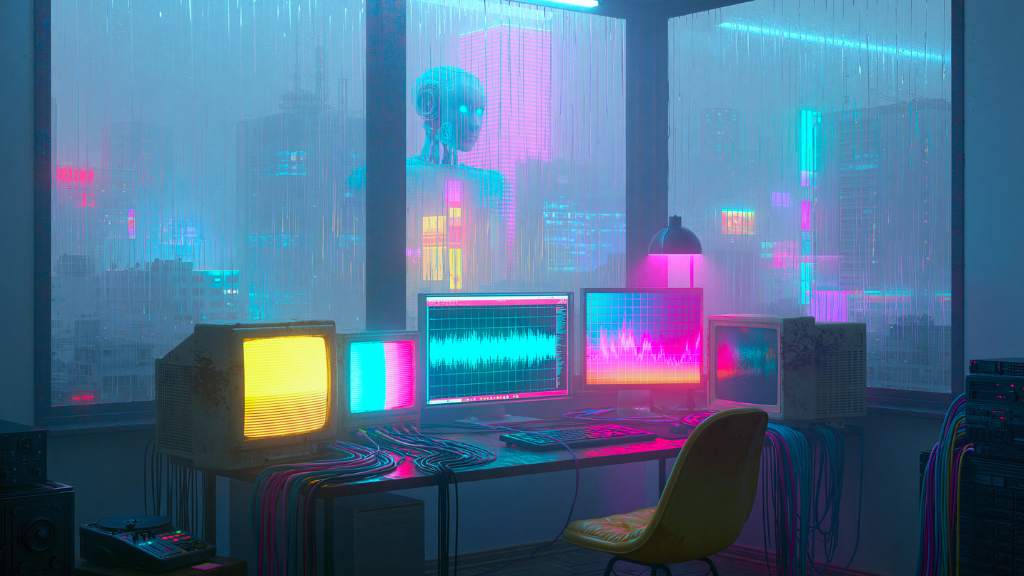
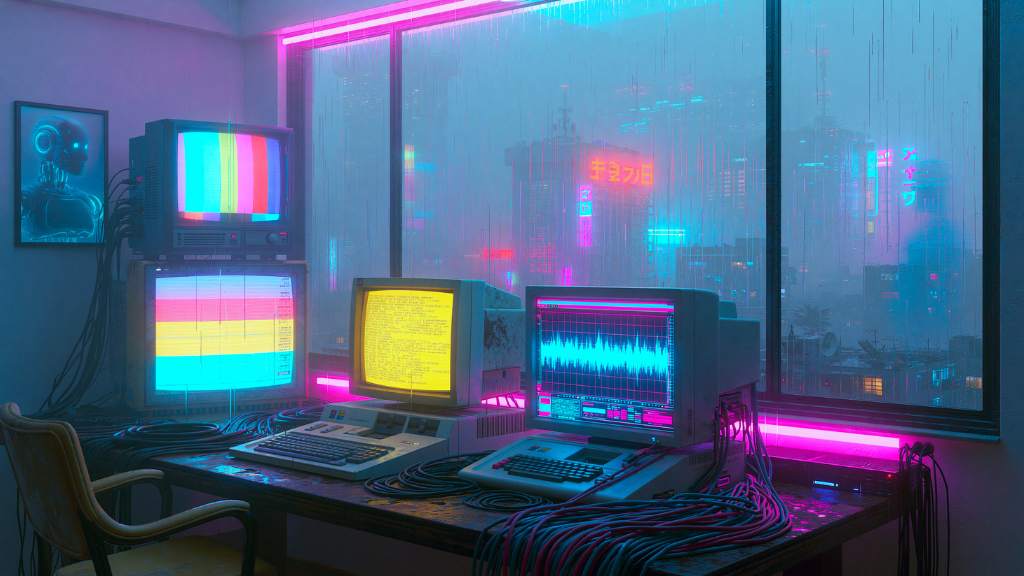
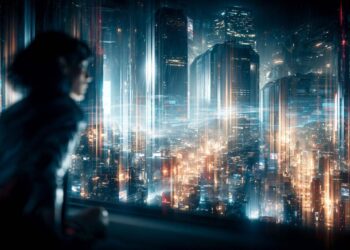
Rain on glass.
Neon in the distance.
Old monitors glowing.
A room after midnight.
A machine that seems almost alive.
A city that knows too much.
A human being still listening.
That is why cyberpunk ambient connects so strongly with dark ambient and bedroom pop.
Cyberpunk ambient gives anxiety about the future a city.
Dark ambient gives mental noise a room.
Bedroom pop gives private emotion a voice.
All three are late-night forms.
All three work well for listeners who feel overstimulated, reflective, lonely, creative, tired, or awake too long after the world has gone quiet.
Where DarkLofi fits
DarkLofi.com is the natural place to connect these worlds.
Dark lofi is not only one sound. It is an emotional zone: atmospheric, intimate, cinematic, sometimes haunted, sometimes soft, sometimes futuristic, sometimes nostalgic.
It can hold dark ambient.
It can hold bedroom pop.
It can hold cyberpunk ambient.
It can hold liminal spaces, overthinking, writing music, soundtrack culture, and future-noir worldbuilding.
That makes DarkLofi.com more than a blog.
It becomes a listening map.
A place where the reader can discover why certain music feels right at night, and where projects like Wartonno, Wartonno Sound, and SOMNII can be understood as connected worlds rather than separate releases.
Final thought
Late-night music is becoming emotional worldbuilding because listeners need more than songs.
They need places.
A place to think.
A place to write.
A place to feel less alone.
A place to enter when the room becomes too quiet.
A place where the future sounds strange, but still human.
Dark ambient gives overthinking a room.
Bedroom pop gives overthinking a voice.
Cyberpunk ambient gives overthinking a city.
That is the path forward for Wartonno, Wartonno Sound, and SOMNII.
A city.
A room.
A voice.
A signal after midnight.
Explore Wartonno’s cinematic cyberpunk ambient project Neon Ghost Frequencies, beginning with After The System Broke, and follow DarkLofi.com for more writing on dark ambient, bedroom pop, liminal spaces, and late-night music.
FAQ Section
What is late-night music?
Late-night music is music that fits quiet, reflective, emotional listening moments. It often includes dark ambient, bedroom pop, lofi, cinematic ambient, shoegaze, and atmospheric electronic music.
What is emotional worldbuilding in music?
Emotional worldbuilding means creating music that feels like a place, story, or atmosphere instead of only a standalone song. It can include sound design, visuals, titles, playlists, blog posts, and recurring themes.
How are dark ambient and bedroom pop connected?
Dark ambient creates space for emotion, while bedroom pop gives private thoughts a voice. Both genres work well for overthinking, late-night listening, loneliness, writing, and emotional reflection.
What is cyberpunk ambient music?
Cyberpunk ambient music is cinematic atmospheric music inspired by neon cities, future noir, artificial intelligence, broken systems, data, surveillance, rain, and urban isolation.
What is Wartonno’s new project?
Wartonno’s new cinematic cyberpunk ambient direction is connected to Neon Ghost Frequencies and the first track After The System Broke. It focuses on future-noir atmosphere, worldbuilding, and emotional soundscapes.
















Comments 3