







Backrooms, Liminal Spaces, and the Soundtrack of Overthinking
There is a kind of fear that does not need a monster.
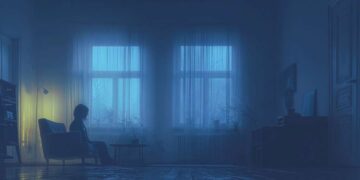
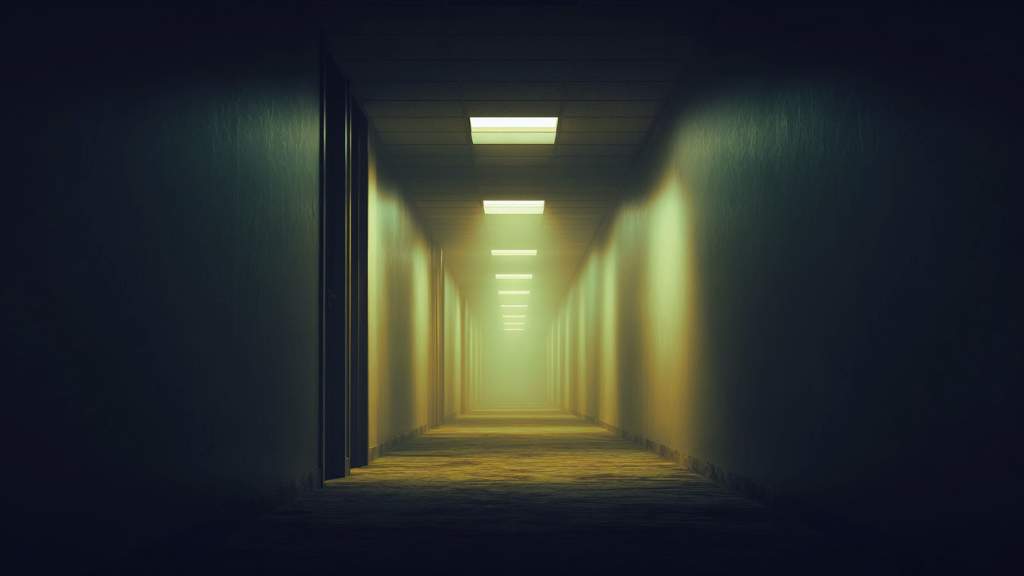
It begins with a room.
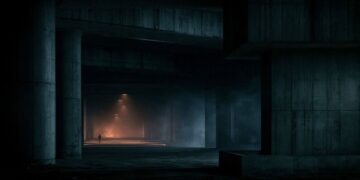
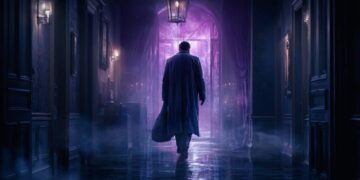
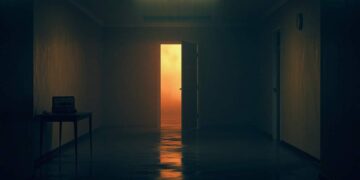
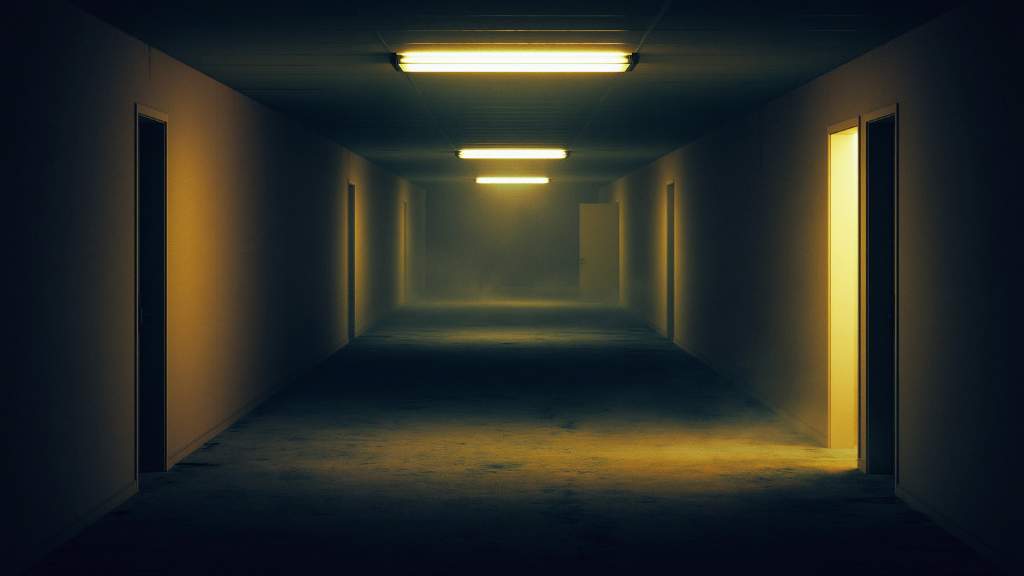
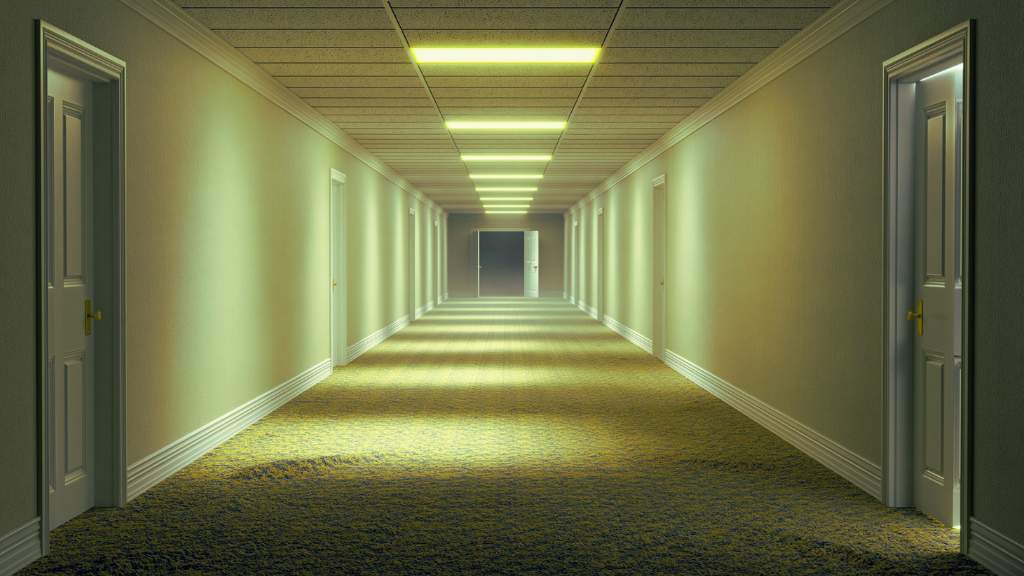
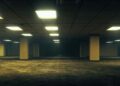
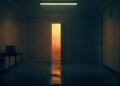
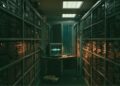
A hallway that feels too long. A fluorescent light that hums without stopping. A carpet that looks familiar but wrong. A basement door that should not be there. An empty office corridor after closing time. A furniture showroom where the rooms are staged for lives no one is living.
This is the emotional power of Backrooms and liminal spaces.
They are not frightening only because something might appear. They are frightening because nothing appears. The space itself becomes the pressure. The architecture becomes the threat. The silence becomes active.
And once you understand that, it becomes clear why dark ambient music, liminal space music, and Backrooms-inspired soundtracks feel so connected.
Backrooms made liminal horror visible.
Dark ambient music makes it listenable.
What Backrooms understands about fear
The power of Backrooms comes from a very modern kind of unease.
It is not gothic castles, graveyards, or haunted mansions. It is office lighting. Yellow wallpaper. Empty commercial interiors. Dead malls. Storage rooms. Basements. Corridors. Waiting areas. Hotel passages. Places designed for ordinary life, but stripped of people, purpose, and time.
That is what makes liminal horror feel so intimate.
A liminal space is usually a transitional space: a hallway, stairwell, elevator, airport, parking garage, hotel lobby, school corridor, shopping mall, or empty office. These places are not meant to be destinations. They are meant to be passed through.
But in Backrooms culture, the passing-through never ends.
You do not arrive.
You do not escape.
You keep walking.
That endless movement is why Backrooms connects so strongly with overthinking. Both feel like being trapped inside a structure that repeats itself. Both create the feeling of almost reaching an answer, only to find another corridor.
The horror is not only that you are lost.
The horror is that the space seems to understand how lost you are.
Liminal spaces as emotional architecture
Liminal spaces work because they are familiar and unfamiliar at the same time.
An empty mall is not alien. A hotel hallway is not supernatural. A basement storage room is not automatically terrifying. But when these spaces are emptied, repeated, dimly lit, or removed from their normal function, they begin to feel wrong.
They become emotional architecture.
A hallway can feel like anxiety.
A dead mall can feel like nostalgia.
A fluorescent office can feel like exhaustion.
A basement can feel like buried memory.
An empty room can feel like a thought you cannot finish.
This is why liminal spaces are so powerful in modern horror. They do not simply show us scary places. They show us ordinary places after meaning has drained out of them.
The room remains.
The purpose is gone.
That is also the feeling many people recognize in overthinking. The mind keeps producing rooms: imagined conversations, possible futures, old regrets, unfinished messages, repeated memories. You walk through them again and again, hoping one of them will become an exit.
But sometimes the mind is not a straight path.
Sometimes it is a building.
Why the Backrooms soundtrack matters
A liminal space needs a sound.
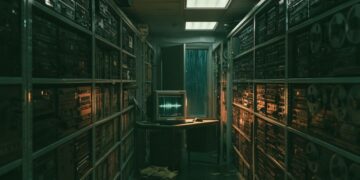
It needs the hum of fluorescent lights. The low pressure of air conditioning. The distant vibration of machinery. The strange comfort of muffled silence. The feeling that a room is listening back.
This is where the Backrooms soundtrack becomes important.
The official soundtrack by Kane Parsons and Edo Van Breemen expands the visual world of the film into a sonic one. It does not only use traditional horror scoring. It also leans into ambient atmosphere, uncanny textures, strange cues, electronic unease, and moments that feel almost too ordinary to be safe.
That is exactly where Backrooms music becomes different from normal horror music.
A jump scare is sudden.
A liminal space is slow.
Backrooms-inspired sound does not always attack the listener. It surrounds the listener. It lets the dread settle into the room. It makes the ordinary sound unstable.
A soft pad can become a wall.
A drone can become a corridor.
A tape hiss can become memory.
A distant melody can become a room you once knew but cannot name.
This is why dark ambient music feels like the natural language of liminal horror.
It does not explain the fear.
It lets you stand inside it.
Dark ambient music and the sound of overthinking
Dark ambient music is especially powerful because it does not force a clear emotional conclusion.
It gives the listener space.
For people who overthink, that space can be strangely useful. Overthinking often feels like repetition: the same worry, the same memory, the same possible future, the same sentence you wish you had said differently. The mind loops. The body stays still. Time becomes unclear.
Dark ambient music mirrors that state without making it worse.
Instead of trying to silence the mind with bright melodies or heavy beats, it creates a slower environment around the thought. It gives the thought somewhere to dissolve.
This is why more listeners are searching for music by emotional use case instead of only by genre.
They are not only searching for “ambient music.”
They are searching for music for sleep.
Music for writing.
Music for anxiety.
Music for focus.
Music for overthinking.
Music for empty rooms.
Music for late-night reflection.
Music that makes the room feel less loud.
Backrooms music, liminal space music, and dark ambient music all belong to this same listening world.
They are not just styles.
They are environments.
Bedroom pop, dark ambient, and the late-night listener
There is also a connection between dark ambient and bedroom pop.
At first, they seem very different. Bedroom pop often has a close voice, intimate lyrics, soft melodies, and a sense of private confession. Dark ambient often removes the voice and replaces it with atmosphere, drone, silence, and texture.
But both genres speak to the same late-night listener.
Bedroom pop gives overthinking a voice.
Dark ambient gives overthinking a room.
One says: someone else has felt this too.
The other says: you can sit here with the feeling until it changes shape.
This is why the current rise of liminal horror feels connected to modern music listening. People are increasingly drawn to sounds that help them process inner states: loneliness, sleep trouble, emotional distance, overstimulation, nostalgia, creative block, and the quiet pressure of being awake too late.
The Backrooms are not only a place in horror.
They are also a metaphor for the inner life.
A person overthinking at night knows what it means to walk through a room that leads to another room. A person trying to sleep while the mind keeps moving knows what it means to hear the hum behind the silence.
That is why liminal space music feels so personal.
Backrooms-inspired music is not only horror music
It is important to understand that Backrooms-inspired music does not have to sound aggressive.
The most effective liminal music is often quiet.
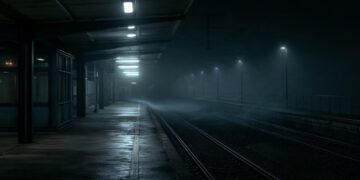
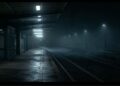
It can be slow, minimal, soft, nostalgic, eerie, warm, or emotionally distant. It can feel like abandoned malls, empty bedrooms, late-night train stations, hotel corridors, office floors, waiting rooms, and dream spaces. It can be peaceful and unsettling at the same time.
That balance is the key.
Too much horror, and the music becomes obvious.
Too much beauty, and the unease disappears.
The strongest liminal ambient music lives between those two states. It gives you calm, but not safety. It gives you space, but not certainty. It lets the listener disappear into the atmosphere without fully relaxing.
That is the sound of Backrooms culture.
Not panic.
Suspension.
Where Wartonno Sound fits
Wartonno Sound is not connected to the official Backrooms film or soundtrack.
But it exists in a similar listening world: dark ambient music, liminal spaces, empty rooms, cinematic stillness, overthinking, soft dread, late-night focus, and emotional decompression.
The music is created for listeners who are drawn to strange quiet places.
For people who use music while writing.
For people who need something calm but not bright.
For people who like the atmosphere of abandoned rooms, fluorescent corridors, empty malls, and half-remembered dreams.
For people who want music for when the mind will not stop.
This is why Backrooms-inspired dark ambient fits naturally inside The Quiet Archive: a collection of sounds for overthinking nights, liminal dreaming, focus, sleep, and emotional reset.
Not every listener wants music that explains everything.
Some listeners want a room.
A sonic room.
A place where the mind can slow down without being forced into silence.
Recommended listening
For listeners interested in Backrooms music, liminal space music, dark ambient soundscapes, and music for overthinking, start here:
Backrooms Ambient Music – Liminal Horror & Empty Room Sounds
A Spotify playlist for listeners drawn to empty office corridors, abandoned malls, fluorescent lights, strange rooms, analog horror, liminal horror, and quiet psychological unease.
Stop Overthinking – Wartonno Sound
Dark ambient music for mental loops, emotional decompression, late-night thought, and quiet reset.
Static Between Floors – Wartonno Sound
A liminal ambient piece for writing, focus, and the feeling of being suspended between places.
Quiet Place – Wartonno Sound
Minimal dark ambient music for reflection, journaling, sleep, and stillness.
Liminal Space Music: Empty Rooms, Strange Hallways, and the Sound of Overthinking
A deeper article about why liminal spaces and ambient sound connect so strongly with modern emotional listening.
Final thought
Backrooms works because it understands that fear can be architectural.
A room can be wrong.
A hallway can feel endless.
A light can hum like a warning.
A place can become a mirror for the mind.
Dark ambient music works in a similar way.
It builds spaces out of sound. It lets the listener enter an emotional room without needing to explain why they are there. It turns overthinking into atmosphere. It turns silence into texture. It turns the empty room into a place where something inside you can finally slow down.
Backrooms made liminal horror visible.
Dark ambient music makes it listenable.
And somewhere between the two is the sound many people are searching for now:
music for when your mind will not stop.
Full catalog Spotify, Apple, SoundCloud, YouTube, Deezer, Tidal and more →
FAQ
Add this after the article if you use Rank Math FAQ blocks.
What is Backrooms music?
Backrooms music is ambient, dark ambient, or soundtrack-style music inspired by liminal spaces, empty corridors, fluorescent rooms, abandoned malls, office hallways, and psychological horror atmosphere.
Is Wartonno Sound connected to the official Backrooms movie?
No. Wartonno Sound is not connected to the official Backrooms film or soundtrack. The music is Backrooms-inspired and liminal-space-inspired, but it is an independent dark ambient music project.
Why does dark ambient music fit liminal spaces?
Dark ambient music uses drones, silence, low textures, distant melodies, and atmospheric sound design. These sounds match the feeling of empty rooms, strange hallways, abandoned buildings, and psychological unease.
What is liminal space music good for?
Liminal space music is often used for writing, focus, sleep, reading, meditation, emotional reset, late-night reflection, and overthinking.
What is the difference between Backrooms music and horror music?
Traditional horror music often builds tension through sudden shocks, sharp strings, and dramatic cues. Backrooms music is usually slower, quieter, more atmospheric, and focused on unease, repetition, emptiness, and space.





Comments 1