














Dark Ambient Music, Bedroom Pop & Cyberpunk Ambient for Late-Night Listening
Music is no longer only something we hear.
For many late-night listeners, it is becoming a place to visit.
A room for overthinking.
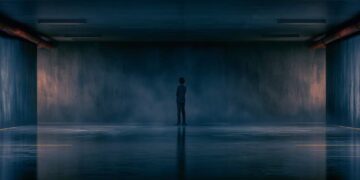
A corridor for memory.
A voice for private emotion.
A city for the future.
A signal that appears when the world becomes quiet and the mind becomes louder.
That is why dark ambient music, bedroom pop, cinematic ambient, and cyberpunk ambient now belong in the same conversation. They may sound different on the surface, but they speak to the same emotional need.
Dark ambient gives overthinking a room.
Bedroom pop gives overthinking a voice.
Cyberpunk ambient gives overthinking a city.
Together, these sounds point toward one of the strongest shifts in modern listening: music is becoming emotional worldbuilding.
Why late-night music feels different
Late-night music has always had a special function.
It is not only background sound. It is not only entertainment. It is not always something we play because we want energy, distraction, or movement.
Late-night music often appears in more private moments.
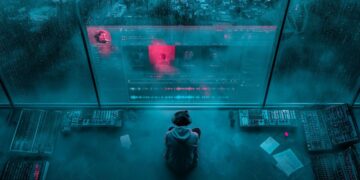
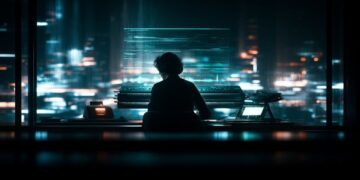
When the screen is still glowing.
When the room feels too quiet.
When sleep is close but the mind will not stop.
When a memory returns without warning.
When the future feels strange, distant, and too bright.
In those moments, music becomes spatial.
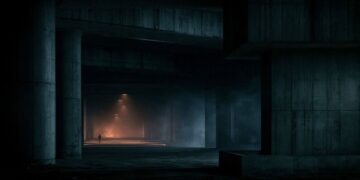
A drone can feel like a hallway.
A synth pad can feel like a skyline.
A distant piano note can feel like a room left open.
A soft vocal can feel like someone sitting beside you in the dark.
This is why listeners increasingly search for music by emotional use case instead of only by genre. They search for music for overthinking, music for writing, music for sleep, music for focus, ambient music for reading, liminal space music, and dark ambient music for late-night reflection.
They are not only asking, “What genre is this?”
They are asking, “Where does this music take me?”
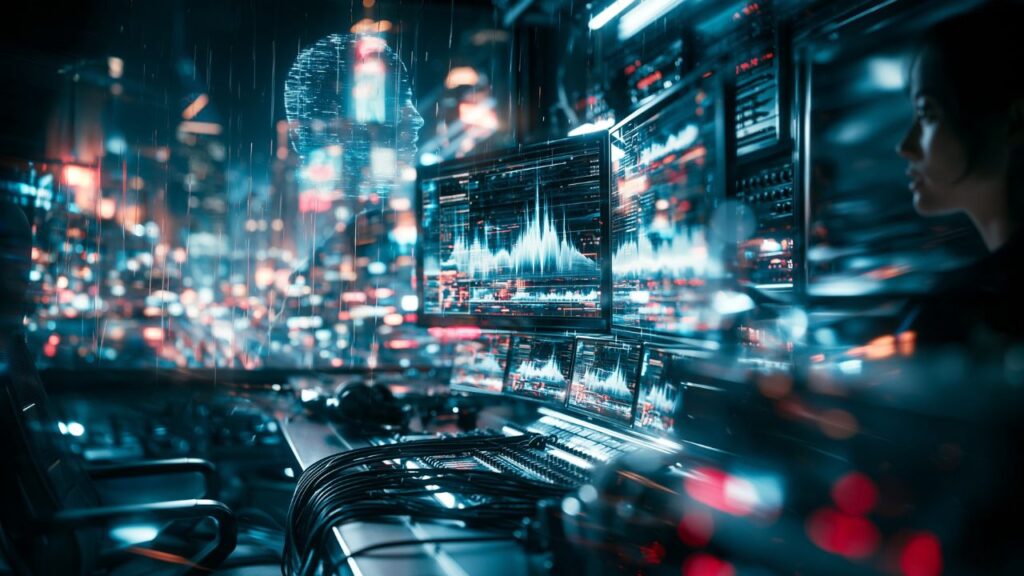
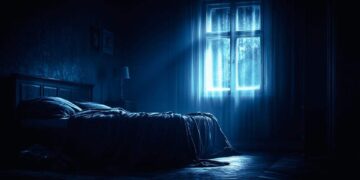
Dark ambient music gives overthinking a room
Dark ambient music is one of the clearest examples of music becoming a place.
It does not always follow traditional song structures. It does not need a chorus, a vocal hook, or an obvious emotional answer. Instead, dark ambient builds atmosphere through drones, low textures, distant tones, silence, field recordings, tape hiss, and slow movement.
That makes it powerful for overthinking.
Overthinking often feels spatial. It loops. It repeats. It opens one thought into another thought. One memory becomes a hallway. One worry becomes a room. One unanswered question becomes a building with no clear exit.
Dark ambient music does not force the mind to stop.
It gives the thought somewhere to exist.
That is why dark ambient works so well for late-night focus, writing, sleep, emotional decompression, liminal spaces, and quiet reflection. It creates a psychological environment without demanding attention in the way a traditional song might.
It does not say: stop thinking.
It says: here is a room where the thought can soften.
This is where Wartonno Sound fits naturally.
Wartonno Sound lives in the world of dark ambient, liminal spaces, psychological atmosphere, empty rooms, slow textures, and music for overthinking. It is not only music to play in the background. It is music for people who need a place to go when the mind becomes too crowded.
Wartonno Sound creates rooms.
Bedroom pop gives overthinking a voice
Bedroom pop approaches the same emotional territory from another direction.
Where dark ambient music removes the voice and creates space, bedroom pop keeps the voice close. It makes private emotion audible.
A bedroom pop song can feel like a message written but never sent.
A voice memo after midnight.
A confession recorded too close to the microphone.
A melody that understands loneliness without turning it into drama.
Bedroom pop is also evolving.
It is no longer only minimal lo-fi recording. It increasingly overlaps with dream pop, shoegaze, indie rock, R&B, alternative production, and cinematic textures. The bedroom is no longer only a recording location. It has become a symbol of private emotion.
The bedroom is the place where late-night thoughts become songs.
This matters for SOMNII.
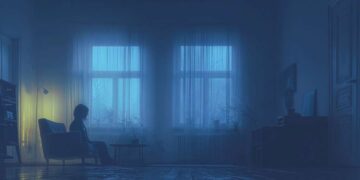
SOMNII can exist as the voice inside the late-night room: cinematic bedroom pop with intimate storytelling, soft emotional pressure, and private thoughts turned into melody.
If Wartonno Sound gives overthinking a room, SOMNII gives it a voice.
The two projects do not need to become the same thing. Their strength is that they can speak to the same listener from different emotional angles.
Wartonno Sound is the atmosphere.
SOMNII is the voice inside the atmosphere.
Cyberpunk ambient gives overthinking a city
Then there is Wartonno.
Wartonno moves the late-night listener from the room into the city.
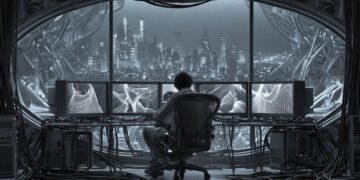
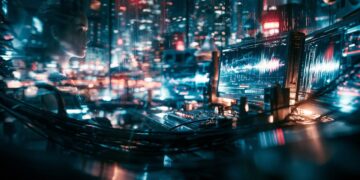
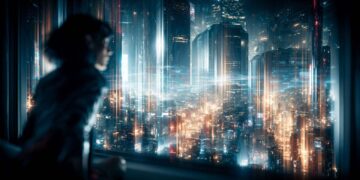
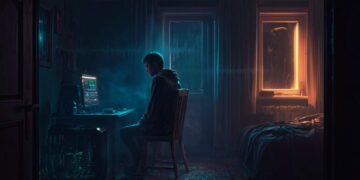
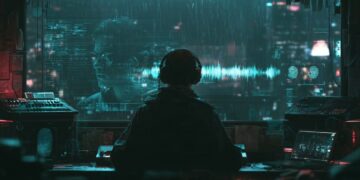
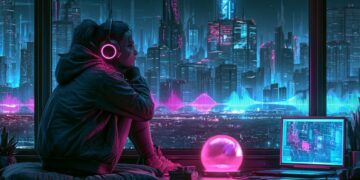
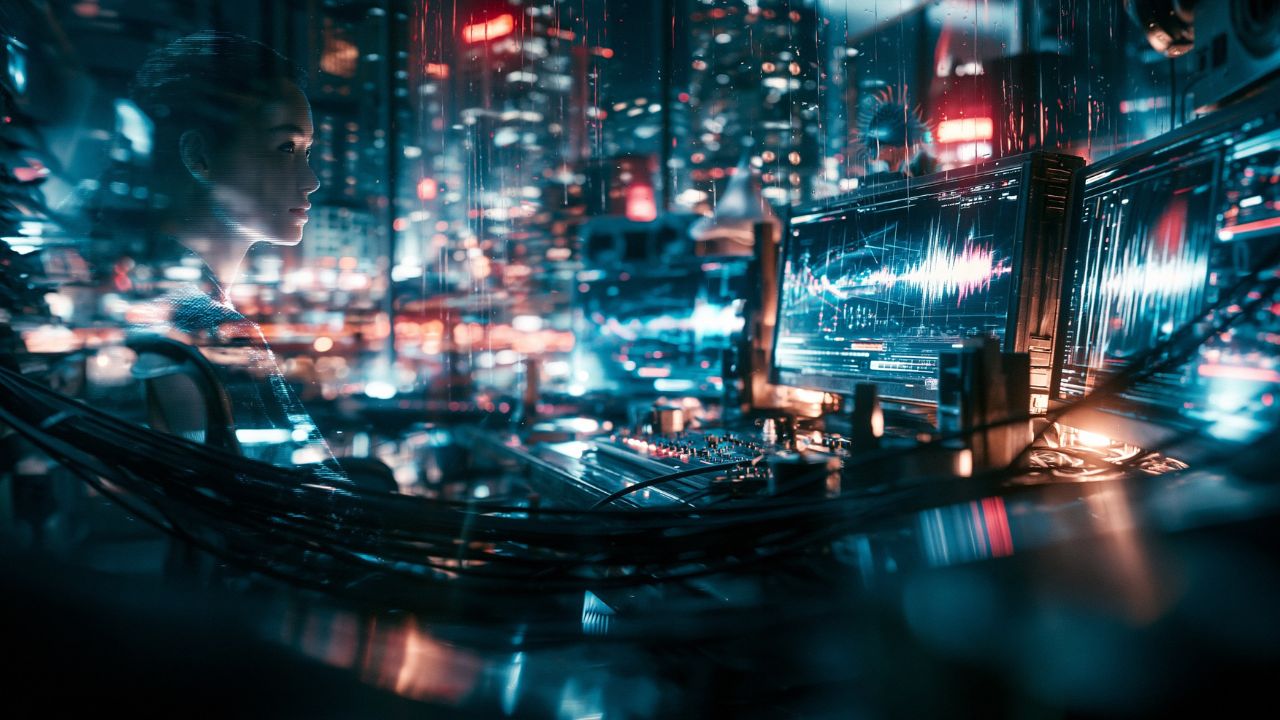
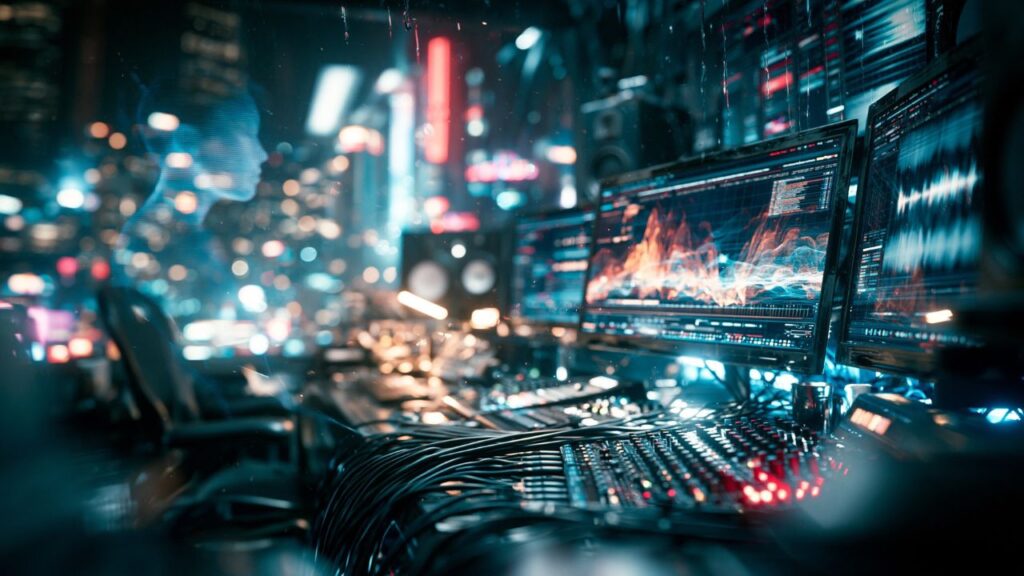
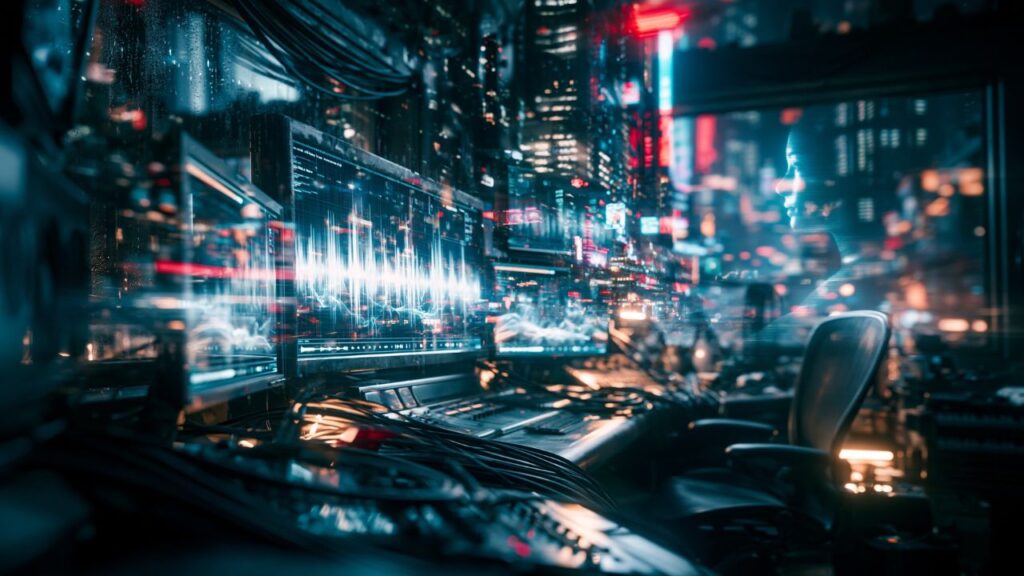
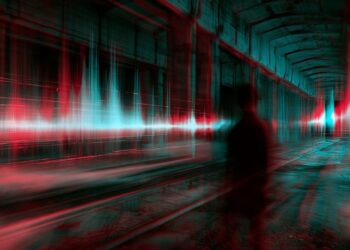
Cyberpunk ambient music takes the emotional atmosphere of dark ambient and places it inside a future-noir world: rain on glass, neon reflections, old monitors, artificial intelligence, broken systems, surveillance, data ghosts, corporate towers, and human beings trying to stay human inside machines that no longer feel human.
This is where music becomes worldbuilding.
A cyberpunk ambient track is not only a mood. It can become a scene. A district. A signal. A transmission from a city that may or may not exist.
That is the direction behind Wartonno’s cinematic cyberpunk ambient project, Neon Ghost Frequencies, beginning with the first transmission: After The System Broke.
The title already suggests a world.
Something has happened.
The system has failed.
The city is still glowing.
The machines still hum.
The signal is damaged, but not dead.
This is not just ambient music as background.
This is ambient music as narrative space.
Wartonno is the creator, curator, narrator, worldbuilder, and composer in this project. That identity matters because the music is not only a track. It is part of a wider system: sound, visuals, blog posts, YouTube uploads, playlists, project hubs, short-form video, and future-noir fragments.
Wartonno builds the city.
Ambient music is becoming more cinematic
The wider ambient scene is already moving toward this kind of worldbuilding.
Recent ambient and ambient-adjacent releases show a growing interest in music that feels conceptual, cinematic, collaborative, and place-based. Ambient music is no longer only framed as background relaxation. It is increasingly connected to memory, architecture, mood, narrative, and emotional atmosphere.
That is why dark ambient music feels so relevant now.
It has always been good at building places out of sound.
A drone can become a room.
A texture can become weather.
A field recording can become a location.
A low frequency can become pressure.
A longform track can become a corridor.
This is also why drone ambient and ambient horror music are useful search angles. They describe the darker, slower, more cinematic side of ambient listening without reducing it to simple horror music.
The best dark ambient does not always try to scare the listener.
Sometimes it simply lets the listener stand inside the feeling.
Why listeners search by mood instead of genre
Search behavior has changed.
People still search for genre names, but they also search for emotional states and listening situations.
They search for:
dark ambient music
ambient music for sleep
music for overthinking
deep focus music
liminal space music
ambient horror music
drone ambient
bedroom pop
cyberpunk ambient music
music for writing
late-night music
This matters for independent artists and music blogs.
A track is no longer only a track.
A playlist is no longer only a playlist.
A blog post is no longer only a blog post.
Each one can become a doorway into a larger emotional world.
A track can become a room.
A playlist can become a corridor.
A YouTube visualizer can become a scene.
A project hub can become a city.
A blog post can become the map that explains how everything connects.
This is why emotional worldbuilding is becoming so important in music.
Listeners are not only discovering songs.
They are entering systems of mood.
How Wartonno, Wartonno Sound, and SOMNII connect
The strongest version of this creative ecosystem is not to treat Wartonno, Wartonno Sound, and SOMNII as disconnected projects.
They can remain separate identities while still orbiting the same late-night listener.
Wartonno is cinematic cyberpunk ambient, future-noir storytelling, and worldbuilding.
Wartonno Sound is dark ambient music, liminal spaces, psychological atmosphere, and music for overthinking.
SOMNII is cinematic bedroom pop, intimate songwriting, and the emotional voice inside the room.
Together, they create a complete late-night listening map.
Wartonno builds the city.
Wartonno Sound builds the room.
SOMNII gives the room a voice.
This is the real opportunity.
Not only to release music, but to build places people want to return to.
Why this belongs on DarkLofi.com
DarkLofi.com is the right editorial home for this idea because dark lofi is not only one sound.
It is an emotional zone.
It can hold dark ambient music, bedroom pop, cyberpunk ambient, liminal spaces, soundtrack culture, overthinking, future noir, sleep music, focus music, and late-night atmosphere.
DarkLofi.com can explain why these sounds belong together. It can translate niche genres into emotional use cases. It can introduce listeners to a world before they even press play.
That is powerful for search engines.
It is also powerful for AI search and generative discovery because the relationships are clear:
late-night music leads to dark ambient music.
Dark ambient music leads to liminal spaces and music for overthinking.
Bedroom pop leads to private emotion and intimate songwriting.
Cyberpunk ambient leads to future-noir worldbuilding.
Wartonno, Wartonno Sound, and SOMNII become connected entities inside that larger map.
This is how a music blog becomes more than a collection of posts.
It becomes a listening archive.
Final thought
Music is no longer just something we hear.
For many listeners, it is becoming a place to visit.
A place to think.
A place to write.
A place to sleep.
A place to feel less alone.
A place where the future sounds strange but still human.
Dark ambient gives overthinking a room.
Bedroom pop gives overthinking a voice.
Cyberpunk ambient gives overthinking a city.
That is the future of late-night music.
And that is the world Wartonno, Wartonno Sound, and SOMNII are building together.
Explore the connected late-night worlds of Wartonno.
Start with Neon Ghost Frequencies and the first transmission, After The System Broke.
For darker liminal listening, explore the Wartonno Sound catalog and the Backrooms-inspired ambient playlist.
For the voice inside the late-night room, follow SOMNII.
Dark ambient gives overthinking a room.
Bedroom pop gives overthinking a voice.
Cyberpunk ambient gives overthinking a city.
FAQ
What is dark ambient music?
Dark ambient music is atmospheric music built around drones, textures, silence, field recordings, low tones, and cinematic mood. It is often used for overthinking, writing, sleep, focus, liminal spaces, and psychological atmosphere.
Why does dark ambient music work for overthinking?
Dark ambient music gives repetitive thoughts a slow, spacious environment. Instead of forcing the mind to stop, it creates a room where thoughts can soften, making it useful for late-night reflection, focus, sleep, and emotional decompression.
How are bedroom pop and dark ambient connected?
Bedroom pop gives private emotion a voice, while dark ambient gives emotion a space. Both work well for late-night listeners who want music for loneliness, overthinking, reflection, and intimate emotional atmosphere.
What is cyberpunk ambient music?
Cyberpunk ambient music is cinematic atmospheric music inspired by neon cities, future noir, artificial intelligence, surveillance, broken systems, data ghosts, rain, and urban isolation.
What is emotional worldbuilding in music?
Emotional worldbuilding means creating music that feels like a place, story, or atmosphere instead of only a standalone song. It can include tracks, visuals, playlists, blog posts, project hubs, and recurring themes.
















Comments 1